
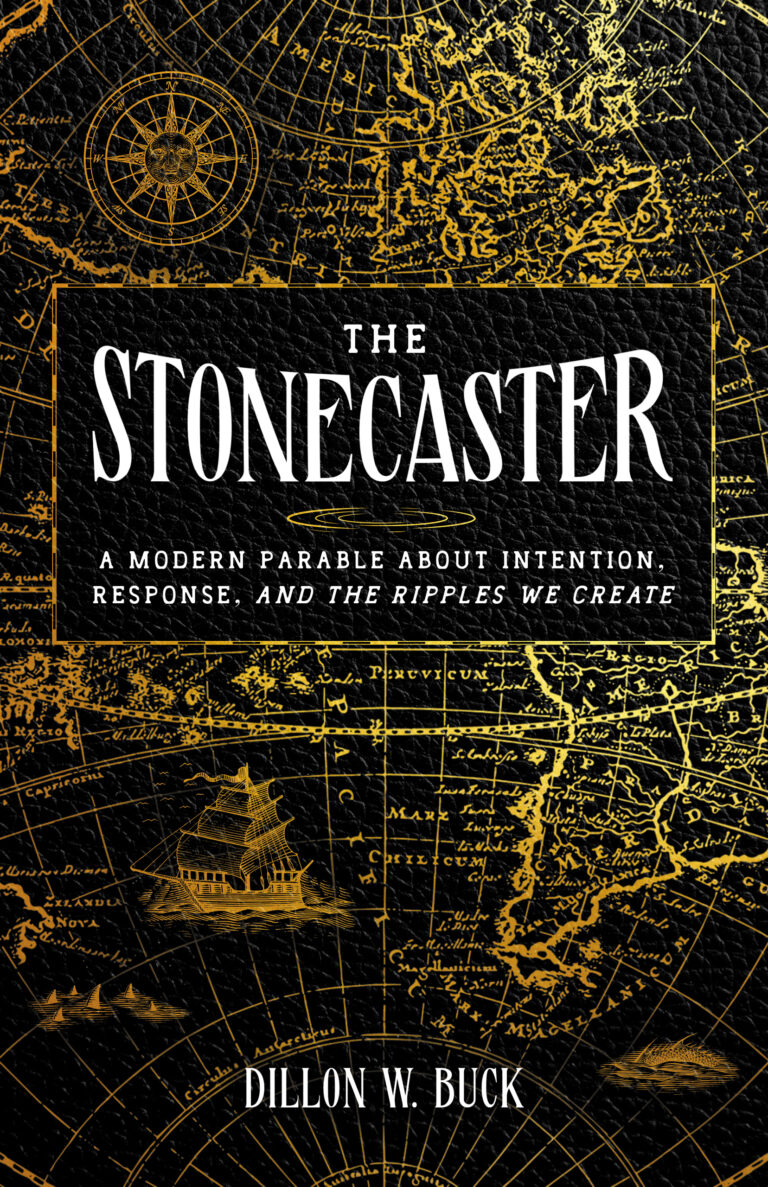

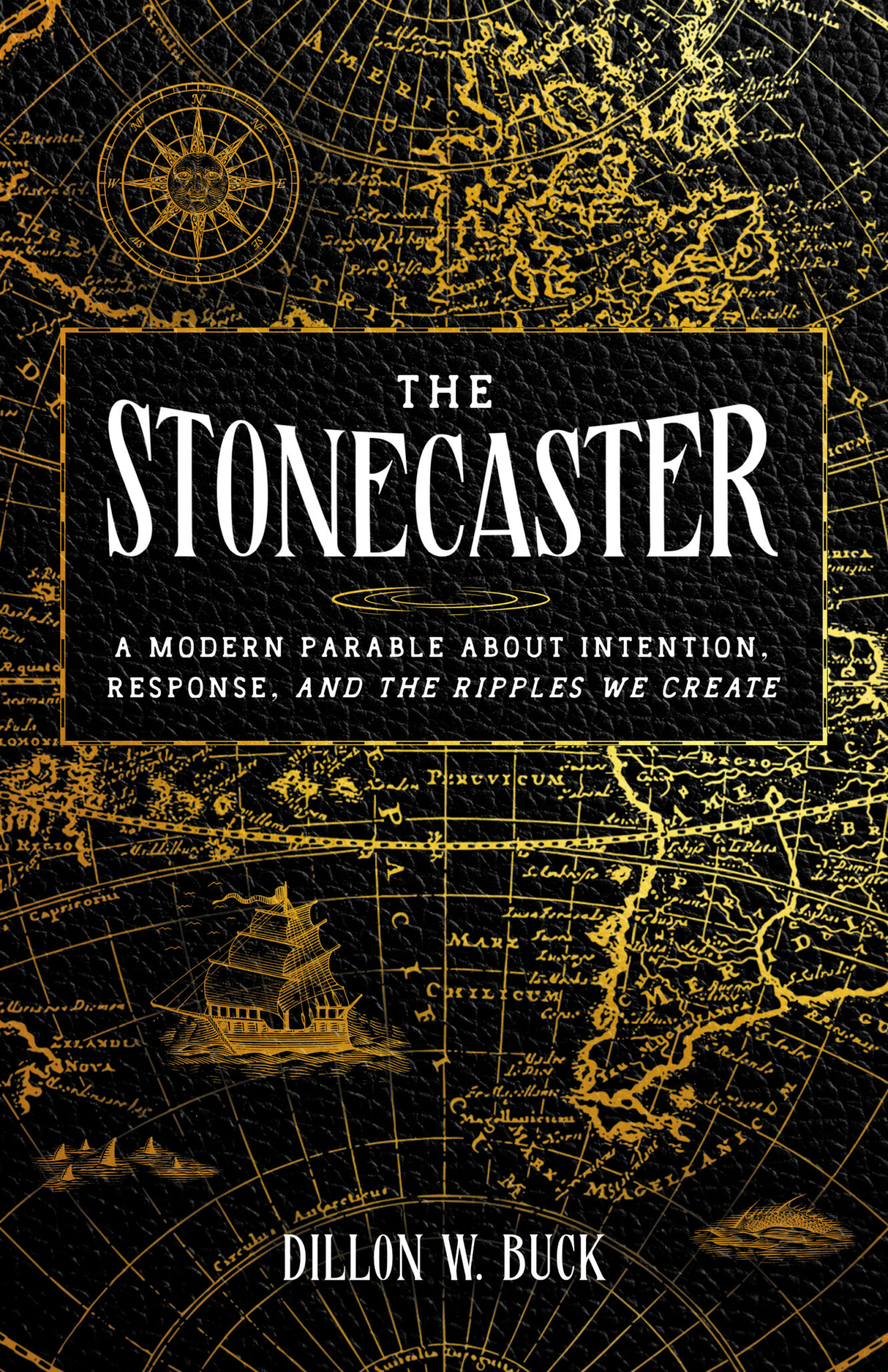
Dillon W. Buck’s THE STONECASTER: A Modern Parable About Intention, Response, and the Ripples We Create is a novel in the tradition of The Alchemist, exploring a young man’s journey towards self-empowerment through spirituality.
James is sensitive, emotional, and easily bullied. He believes life is unfair. His journey is fundamentally one of self-awareness, as he doesn't realize how much control he has over his reactions and how he can choose to respond rather than react. The STONECASTER takes us through his new awareness—strong at times, faltering at others—showing a boy (and later a man) who learns to manage his emotions, draw on integrity to guide him, and practice resilience. Buck’s insights are so valuable because they take social context into account, addressing bullying, criticism, disappointment, business losses, and an unrequited relationship. We're shown how James learns to respond, rather than give into anger or anxiety.
One of the book's strengths is James’s relationship with Karla, through which he learns to challenge the assumption (found in many books) that love can control or heal the other person. James learns he can't get Karla to love him no matter how much he wants her to, breaking the myth that love can conquer all. Importantly, James doesn’t learn to squash his feelings by giving into toxic positivity; his story also challenges many modern books on manifesting your heart’s desire. Buck further acknowledges the power that certain situations hold, pointing out how giving in to social pressure can steer people away from personal choices or decisions. The book encourages activism in showing readers how personal choice can inspire change.
There is a lot of insight packed into this relatively short work of fiction. The text is balanced, sometimes lyrical in such passages as “The days blurred together, endless roads, endless doors, and endless faces that blurred into a single word” or “He measured his days by how fully he could stay present, by how much he could enjoy the conversations, the challenges, the heat, and the beautiful chaos of it all." This gives the narrative a hypnotic feeling that's quite suited to a meditative text, though it does draw the reader's attention more to the prose than to the story. At the end, Buck offers up some reflexive questions and helpful quotes from thinkers he appreciates.
THE STONECASTER is an excellent book for readers who feel unsettled or powerless about a situation and would like to know how to feel calmer, more able to respond. It's particularly helpful for younger readers navigating a world of peer pressure, social demands, and the journey through early (and often very intense) personal relationships.
Dillon W. Buck's THE STONECASTER: A Modern Parable About Intention, Response, and the Ripples We Create is a standout novel that takes readers on a spiritual journey towards self-awareness, resilience, and the ability to respond to difficult social contexts.
~ Nicci Attfield for IndieReader