
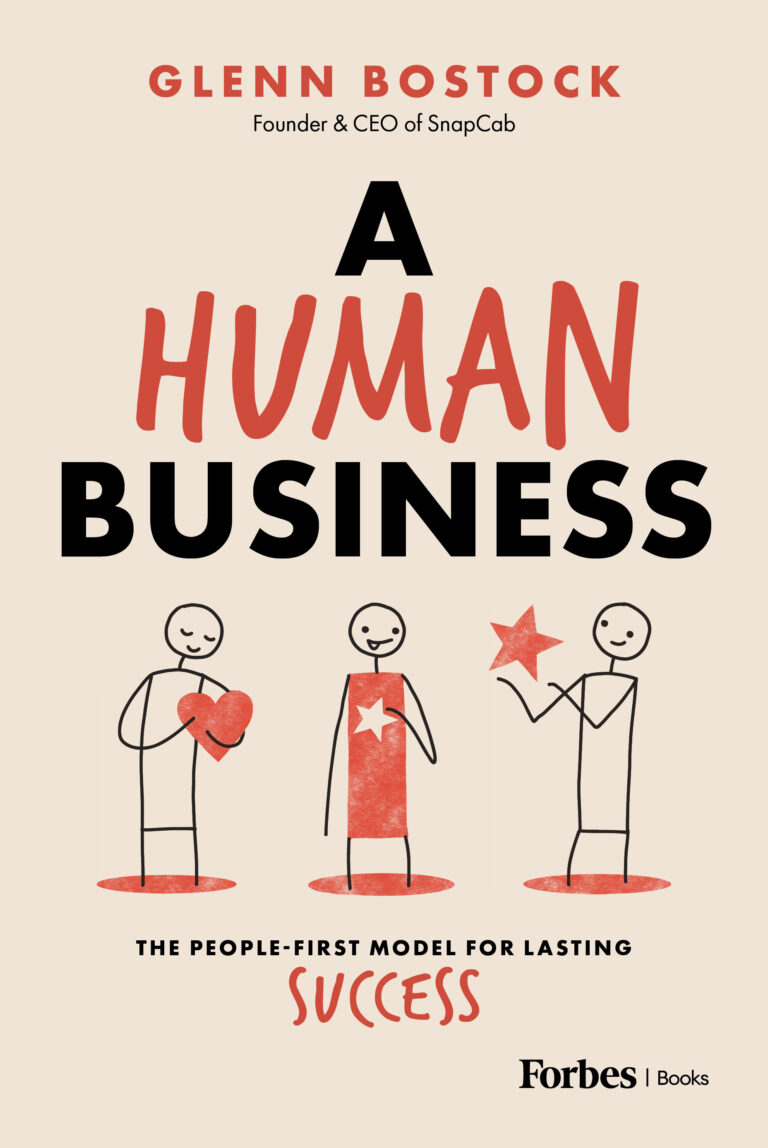

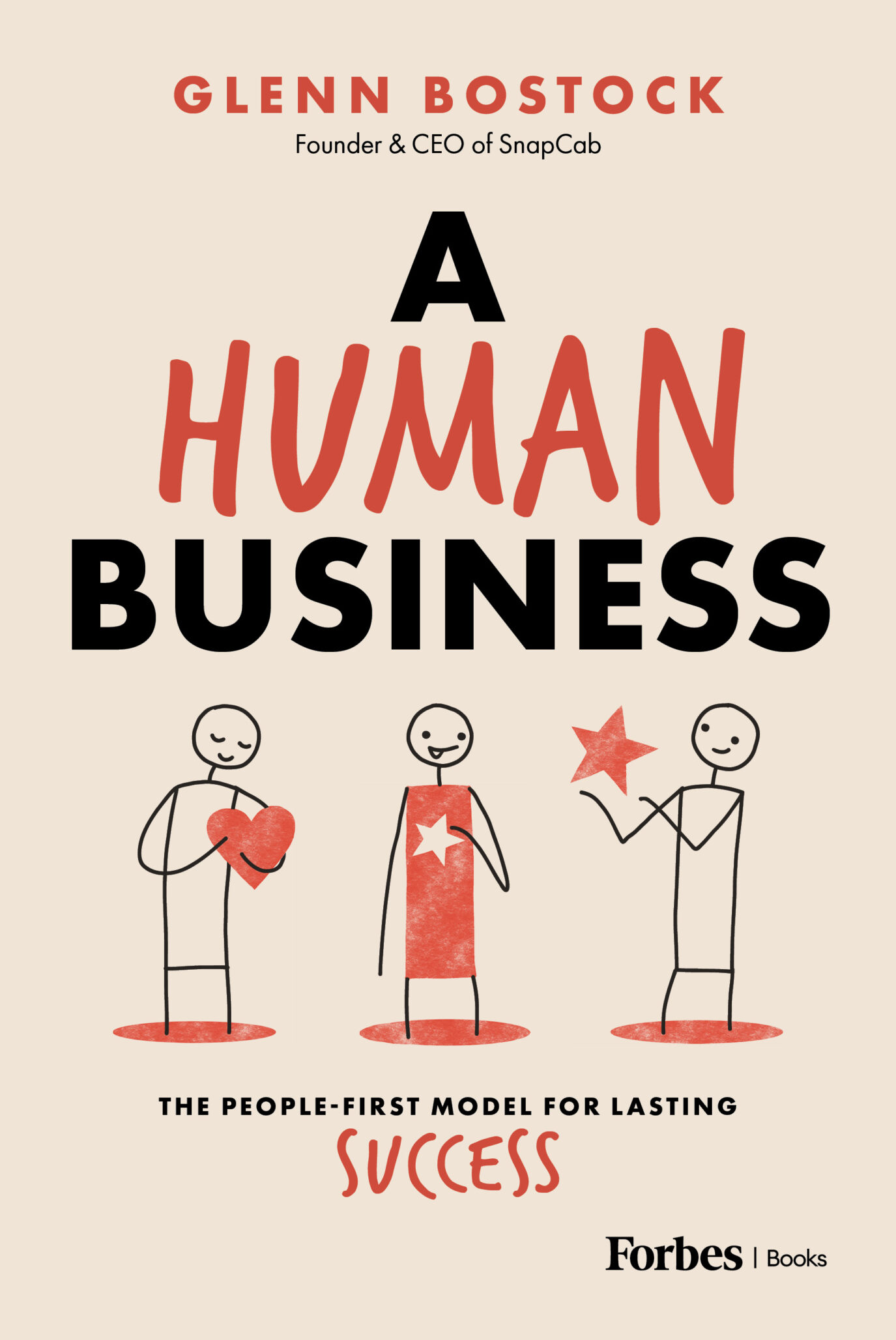
In A HUMAN BUSINESS: The People-First Model for Lasting Success, Glenn Bostock takes the reader through his life story from a student struggling with dyslexia and depression to the CEO of his own company—offering lessons he's learned from his struggles and successes. His goal is to transform corporate culture into a more humane mode that's focused on kindness, usefulness, and authenticity while moving away from the “damaging core message [of] profit above all else.”
He offers five principles: “Create a foundation of caring,” “Understand your ruling love,” “Focus on being useful,” “Embrace problems and weaknesses,” and “Model your business after the human form” (that is, after a unified being whose parts work together in their separate ways to support and sustain the whole for the good of all). Each of these principles is illustrated through unflinchingly honest anecdotes from his own life, showing both how they worked for him and how failing to adhere to them meant problems in his personal and professional life. He doesn’t hesitate to talk about his own mistakes, and uses them to illustrate a major theme of the book: the need for fearless acceptance of errors and weaknesses so that they can be amended, accounted for, or even turned to good purpose. It’s a refreshing point of view, offering promise of a world where work is something a person does because they enjoy being useful—where they are heard, valued, and supported. And where profit, while remaining important, takes a back seat to service.
Bostock can point to a successful business as proof that his principles work. For example, his focus on usefulness allowed SnapCab to pivot towards a new business model during the pandemic, allowing them to survive and thrive while other companies failed. His writing is also clear and well-organized enough to be accessible to busy executives with limited free time. He does admit that, since he and his wife are the sole shareholders of SnapCab, he has the freedom to innovate and shape the company without the need to focus on constantly increasing shareholder value. Other CEOs may not have that liberty, but at least these principles offer guidelines for some improvement to the human health of corporate culture.
In short, A HUMAN BUSINESS offers a clear, concise manifesto to rehumanize a frequently brutal and shortsighted corporate culture. Those who want to build businesses that genuinely serve the needs of their customers, their employees, and their communities should give this book a try.
Grounded in author Glenn Bostock's personal and professional experience, A HUMAN BUSINESS: The People-First Model for Lasting Success offers a compassionate, sensible, and humane take on business principles.
~ Catherine Langrehr for IndieReader