
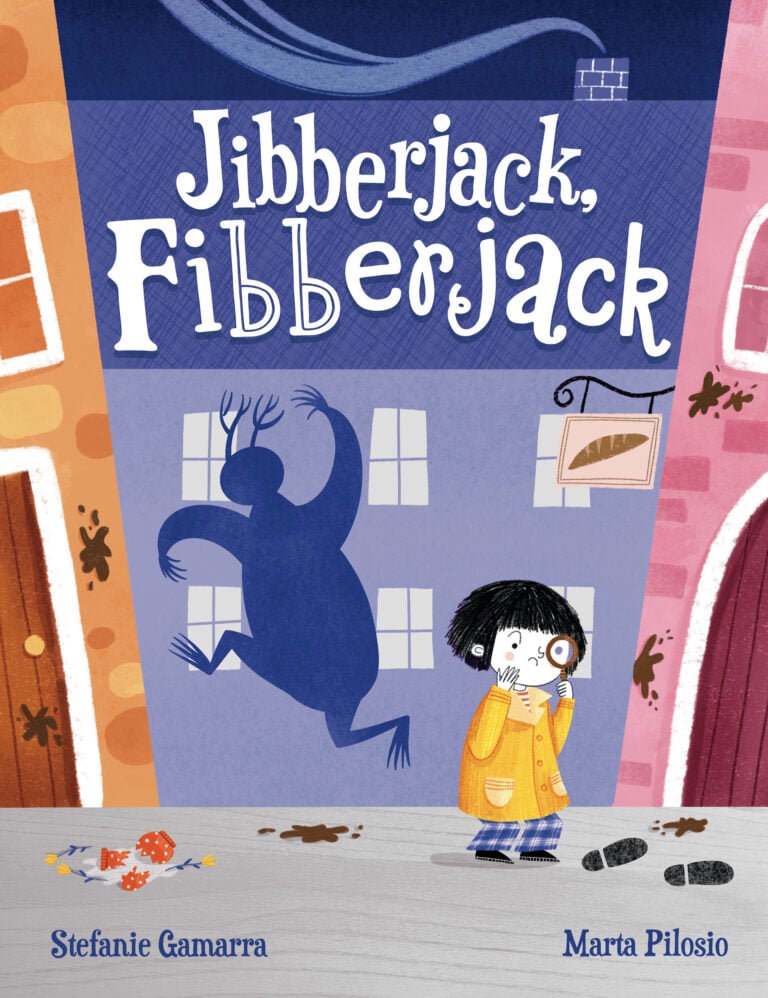
 JIBBERJACK, FIBBERJACK: A Made-Up Monster Mystery
Winner of the 2026 IndieReader Discovery Awards in Children’s (Early to intermediate), Fiction
What’s the book’s first line?
“The town of Rumorridge had a problem. A MONSTER problem.”
What’s the book about? Give us the “pitch”.
A monster no one has ever seen is spooking the townspeople of Rumorridge. While grown-ups panic, young detective Frida does the one thing no one else will: she asks questions. And the answers have a lot less to do with monsters than with who stands to gain when everybody’s scared.
What inspired you to write the book? A particular person? An event?
My oldest daughter is in second grade and brings home the craziest rumors from school, so we have a lot of conversations about misinformation and fact finding. Funny enough, a lot of mis- and disinformation in the adult world spreads the same way playground rumors do. I spent years working on misinformation issues in tech, and one thing you learn quickly is how easily fear spreads when people stop asking questions. I wanted to turn that idea into something kids can understand. The book basically teaches curiosity: instead of panicking about the monster, Frida investigates.
What’s the main reason someone should really read this book?
Because kids are growing up in a world where it’s harder than ever to tell what’s real. They’re surrounded by rumors, headlines, and half-truths as soon as they can read (or get their hands on an iPad) and long before they have the tools to sort through any of it. This book gives them a way in. Plus, it’s a fun detective story, and not many exists for the picture book age group, so the youngest readers get a proper mystery of their own.
What’s the most distinctive thing about the main character? Who-real or fictional-would you say the character reminds you of?
The most distinctive thing about Frida is that she doesn’t get scared; she gets curious. And I think most of us are like that as kids, asking why a million times a day (at least my kids do), poking at everything. Somewhere along the way of growing up, we lose that.
As for who she reminds me of, the Sherlock Holmes comparison is pretty obvious, and we actually make it in the book.
 When did you first decide to become an author?
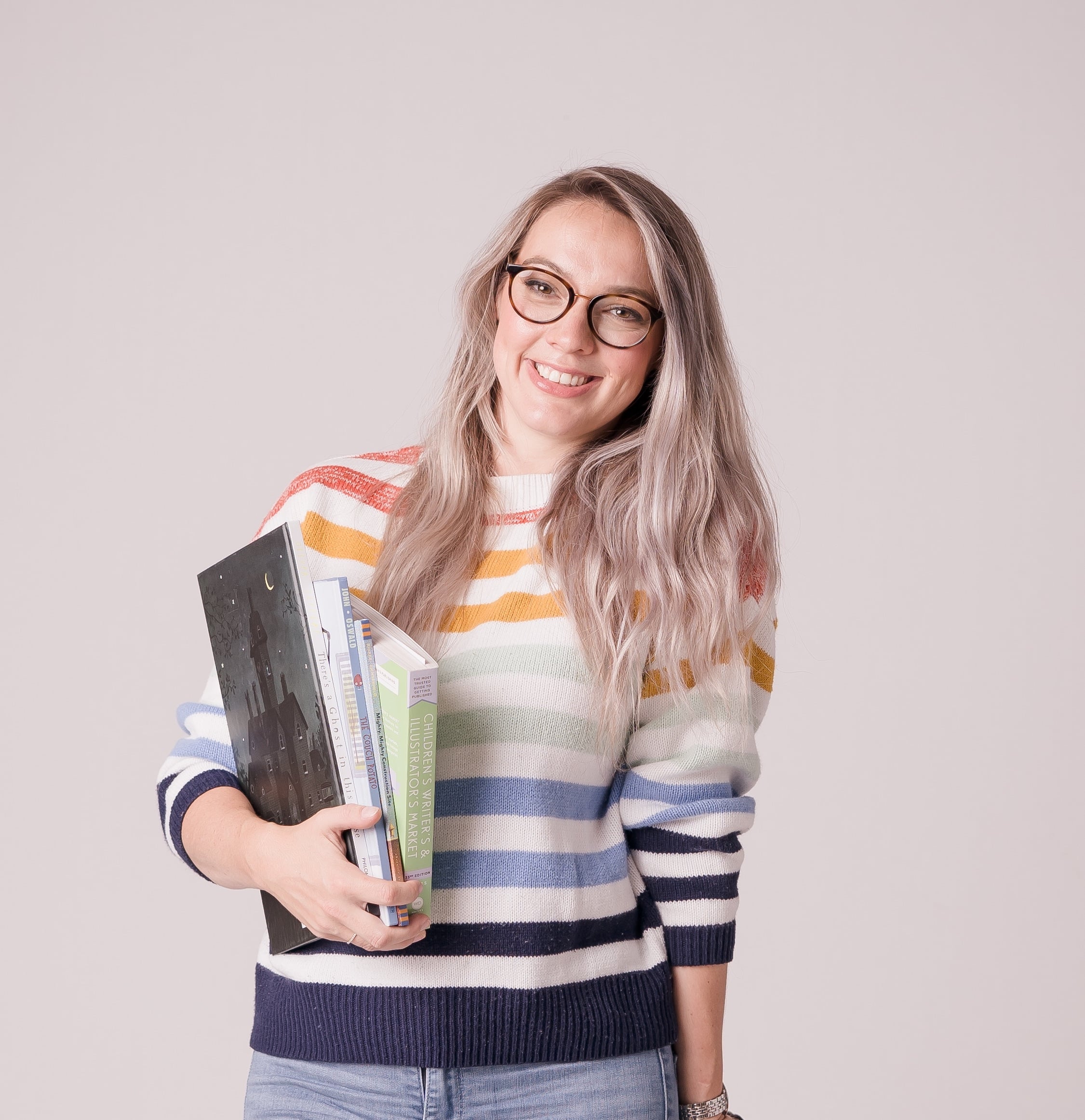
I’ve been writing stories for as long as I’ve known how to write. I still remember folding a bunch of papers in half at age 8 to make my own book (a masterpiece titled “The Stupid Bird”). In elementary school I founded a student newspaper. After graduation I tried to get into journalism school twice, ended up earning a BA and MA in media and communication instead, and still spent summer breaks interning at newspapers and writing articles wherever anyone would let me publish. Most of this was in Germany, in my native language. The love for writing came with me when I moved to the U.S. a decade ago, but it turned toward children’s books once I had my own kids. I finally published my first children’s book in 2023 (How to Grow a Marshmallow Tree).
Is this the first book that you’ve written?
This is my fourth published picture book and I’m currently working on a middle grade novel.
What do you do for work when you’re not writing?
I’m a program manager in Tech.
How much time do you generally spend on your writing?
I have one dedicated writing day a week, which is never enough. I try to squeeze in more wherever I can, but between two young kids and a full-time job, it’s hard.
What’s the best and the hardest part of being an indie?
The hardest part is that I have to learn every step of publishing myself. And the best part is that I have to learn every step of publishing myself. The journey really is the goal here, and getting to learn more and watch my books improve with each one is what keeps me coming back.
What’s a great piece of advice that you can share with fellow indie authors?
Do your homework. Everything you need to know about self-publishing is already out there, free, if you’re willing to go looking for it. But on the flip side, don’t let the research turn into an excuse to wait indefinitely. You’ll never feel ready, so publish the first one knowing it may be the worst book you’ll ever make, and let every messy step teach you the next one. Also, be real with your expectations: none of us has the next Harry Potter in draft, and overnight success isn’t a thing for 99% of authors. This is slow, unglamorous, genuinely hard work that doesn’t pay well. The authors who make it are the ones who didn’t quit.
Would you go traditional if a publisher came calling? If so, why?
I really enjoy how much creative control I have over my picture books, so it would depend on what the collaboration actually looked like. That said, it’s tempting. The distribution a trad publisher can offer is hard to match on your own, and there are still doors that stay pretty firmly closed to indies.
Is there something in particular that motivates you (fame? fortune?)
I’ve thought about this a lot. For one, I just really love making books. It’s genuinely self-fulfilling, even before anyone reads them. But the bigger motivation is the thought of some kid finishing one of my books, sitting with that itchy “what do I read next” feeling, and going looking for another one. That’s it. That’s the whole thing. I just want to be the book that makes the next book happen.
Which writer, living or dead, do you most admire?
A shoutout to German writers here. I still read Paul Maar, love Erich Kästner’s classics and I just finished Cornelia Funke’s newest book (The Green Kingdom). Though I have to laugh, because so much of what I thought of as my German childhood reading turns out to be English. “Fünf Freunde”, “Hanni und Nanni”, I’d have sworn they were German, and they’re both Enid Blyton. They were just so beloved in translation that they felt completely homegrown.
Which book do you wish you could have written?
Something by the Brothers Grimm, but the original German versions, before Disney sanded all the edges off. The real ones are dark. Kids get eaten, villains dance themselves to death, nobody’s coming to save you but your own wits. We were also handed “Struwwelpeter” as children, where a boy who won’t stop sucking his thumbs gets them snipped off by a man with giant scissors. As a bedtime story! I’d kill to have written something that’s been passed down for almost two hundred years and still genuinely unsettles a kid. We don’t really let children’s books be that fearless anymore, but children have always loved them.