
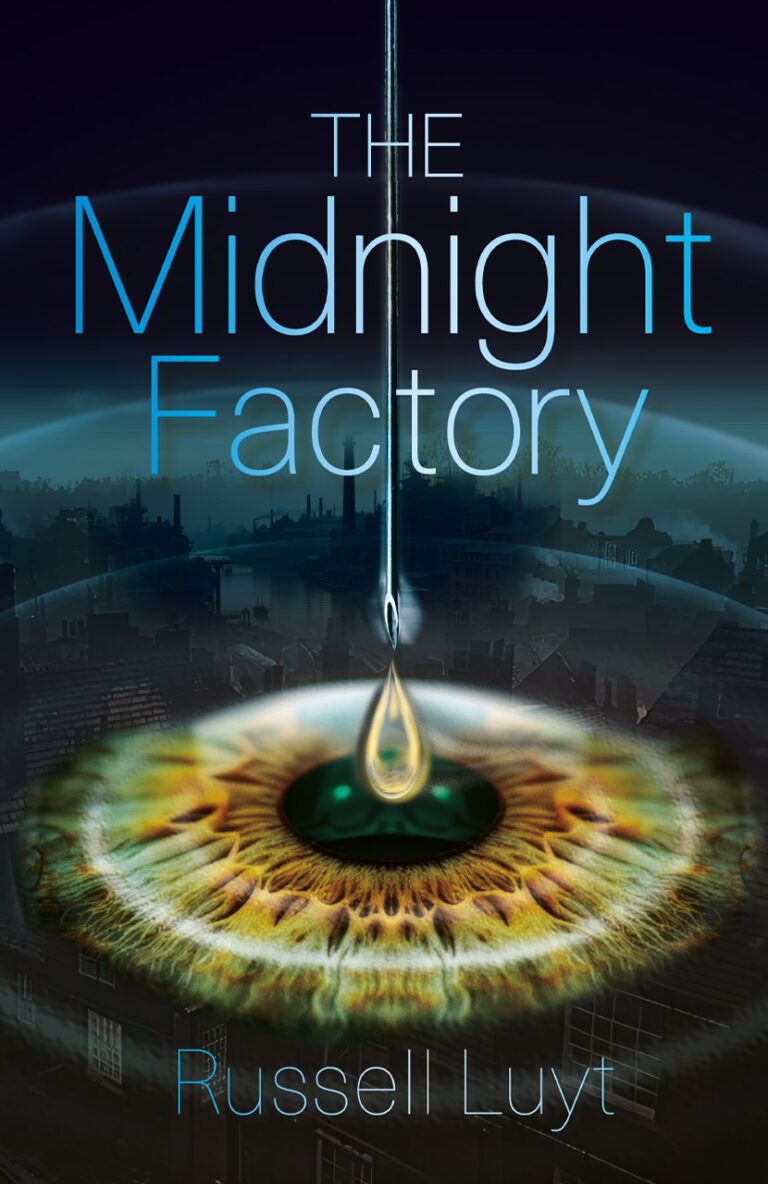

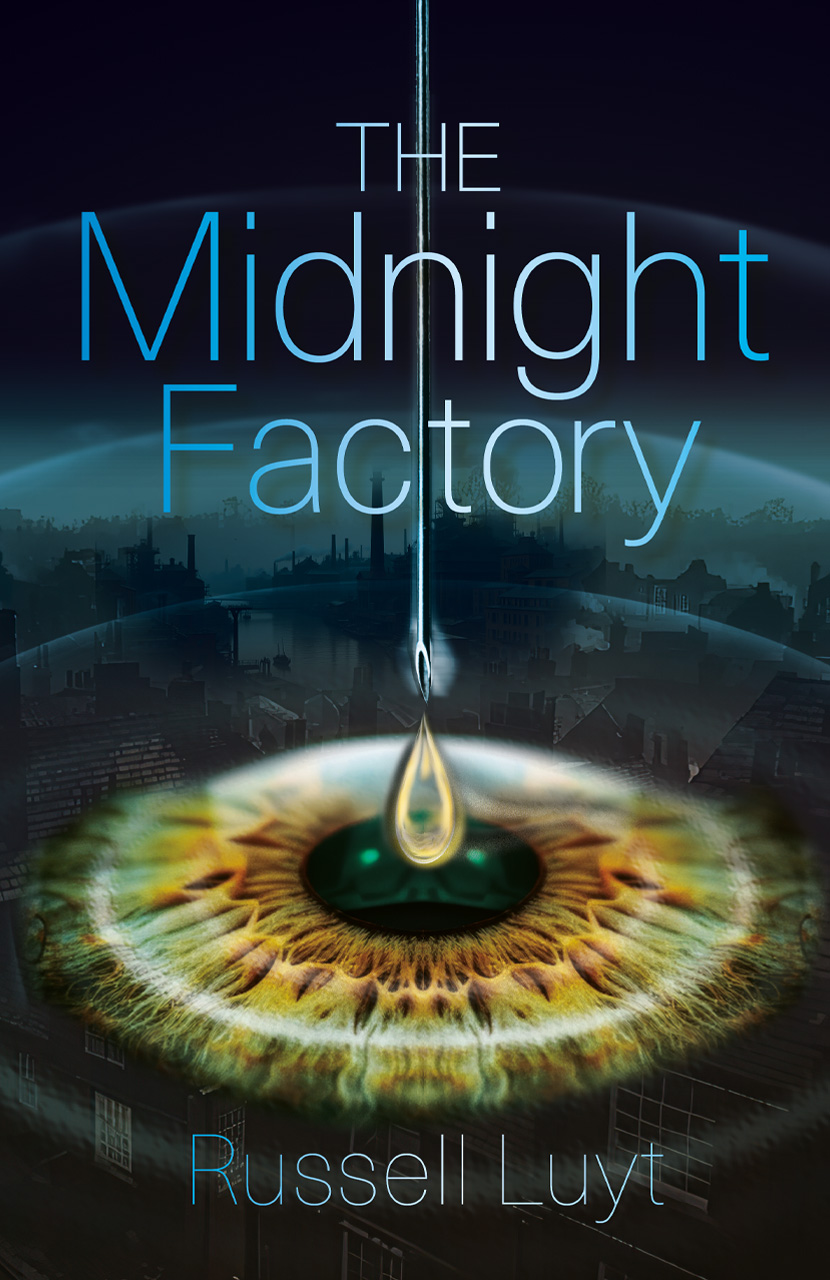
THE MIDNIGHT FACTORY is an ambitious work of fiction that blends philosophical inquiry with an atmospheric disposition. Author Russell Luyt constructs a dense, sometimes unsettling narrative that interrogates memory, identity, and the ethical boundaries of technological progress—inviting readers to engage with its peculiar ideas as much as the events that unfold from them.
The novel’s greatest strength lies in its conceptual originality. Luyt creates a suspicious institution where human thoughts and memories can be extracted, stored, and transformed. He uses this premise as a lens through which to examine the topic of human autonomy and the concept of the self. Rather than relying on conventional spectacles of this genre, the author emphasizes mood and implication—creating a persistent sense of unease that mirrors the protagonist’s growing disorientation. The setting itself serves as a mirror to the book’s themes, reinforcing the notion that systems, both mechanical and societal, can quietly and slowly subsume the individual.
With descriptive language that makes its way into the intricate depths of the novel, THE MIDNIGHT FACTORY achieves its emotional weight not through overt sentiment but through controlled language, industrial imagery, and a persistent sense of looming consequence. The following passage is merely one of many examples: “Jimmy described the sound of grass sweeping against his legs and the feel of its sleek florets over his fingers; the rare, indulgent late-summer light falling across swaying stalks and drifting pollen stirred by his steps.” Luyt demonstrates a strong command of tone, maintaining narrative cohesion even as the story veers into abstract territory. The pacing, however, may test some readers’ patience. The author prioritizes introspection and atmosphere over narrative urgency, which occasionally slows the story’s momentum. While this approach suits the novel’s philosophical aims, it may limit its appeal for readers expecting a more active, plot-driven reading experience.
Characterization is subtle and restrained yet layered. The central figure is rendered with psychological depth, though emotional distance can sometimes make engagement feel intellectually foreign rather than visceral. Secondary characters function more as thematic compliments than fully realized personalities, reinforcing the novel’s conceptual focus but sacrificing some aspects of relatability. While this trade-off is consistent with the book’s objectives, additional character development could have strengthened the reader’s investment.
THE MIDNIGHT FACTORY is polished, with strong structural coherence and minimal distractions in terms of language or formatting. The novel’s ideas linger well beyond its end, encouraging post-consumption reflection rather than delivering instant gratification. Luyt’s work is best suited to readers who appreciate speculative fiction that challenges assumptions and rewards inquisitiveness. Overall, it succeeds as a thoughtful, intellectually driven novel that contributes meaningfully to contemporary experimental literature—even if its measured pacing and abstraction appeals to a smaller alcove of readers.
In THE MIDNIGHT FACTORY, Russell Luyt delivers a conceptually rich and atmospherically controlled novel that favors the desire for deeper understanding over narrative speed. This is a strong choice for readers drawn to reflective, idea-driven speculative fiction.
~ Alana M. Kelley for IndieReader