
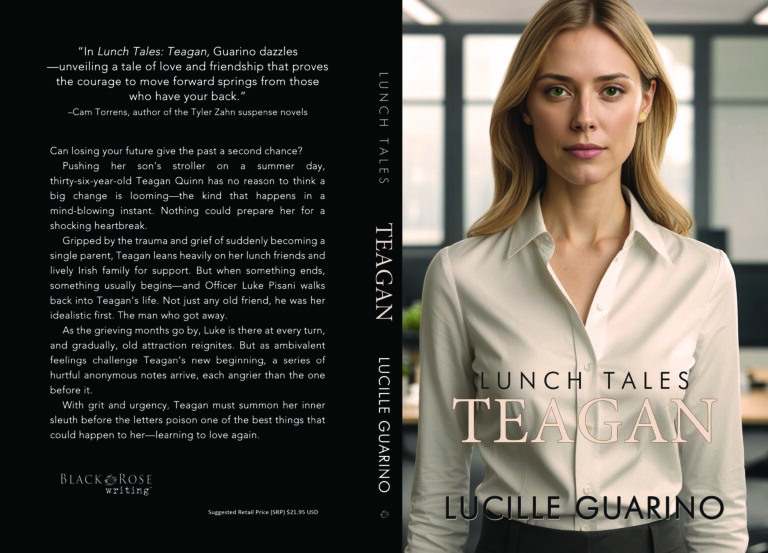

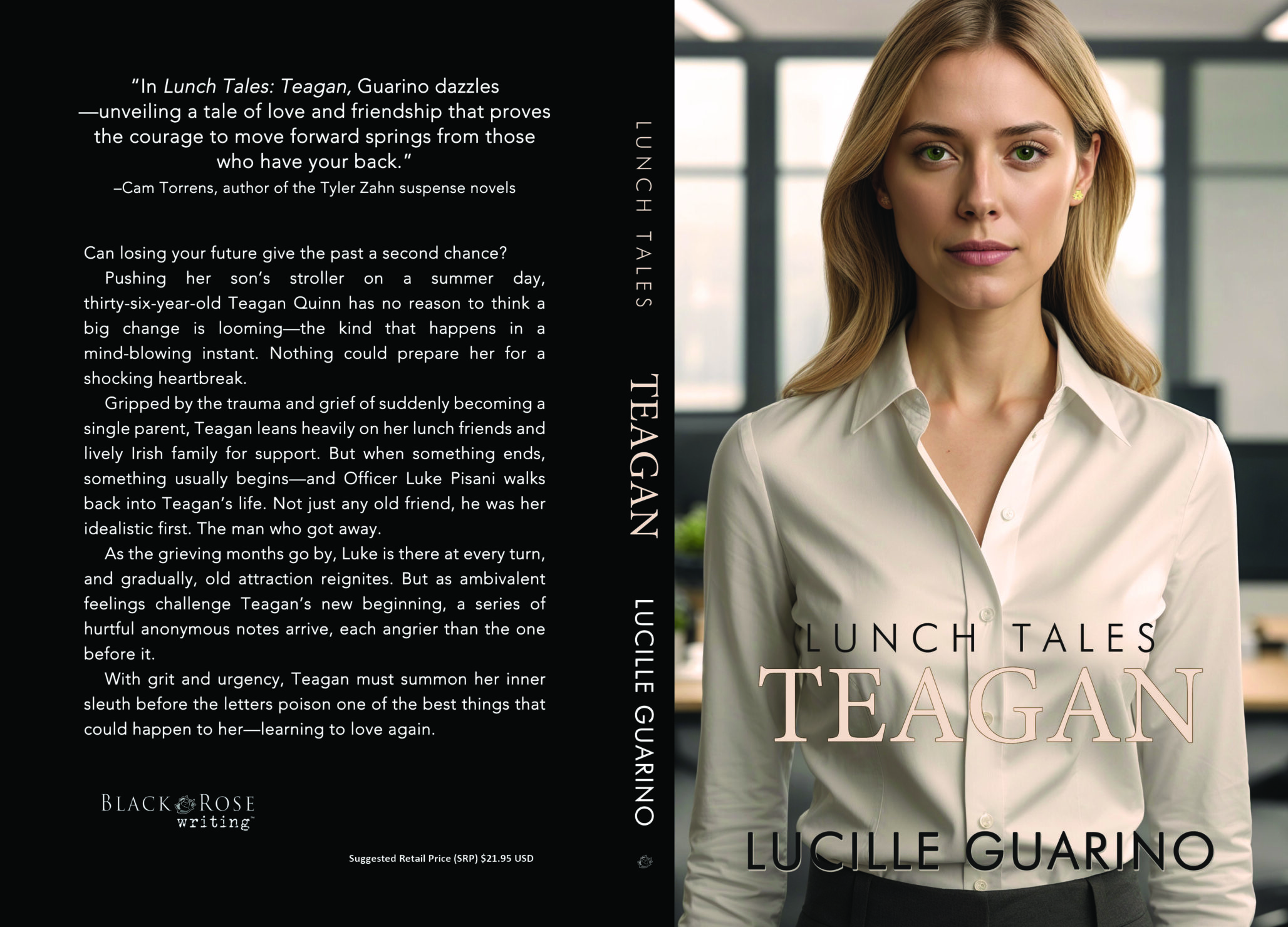
Shortly after a brief call with her husband, in which he reminds her about their upcoming anniversary, Teagan is shocked when people show up at her door to announce her husband’s death. She must now dazedly put her life back together and raise their young adopted son while leaning on friends and family for support.
Teagan Quinn works in the accounting department of a reputable law firm, where she has developed a rich bond with three women who prove to be a firm support system when she loses her husband. None of them rushes her; they’re just present according to her needs, bringing her lunch in her office because she’s avoiding sympathetic looks: “None of the women speaks a word. They’re just present.”
Becoming a widow at thirty-five was definitely not in her plans, and reuniting with her first love is equally not part of her plans. So when Luke reenters her life with his usual persistence, she does what she thinks is best: self-sabotage out of guilt. However, she finds it hard to deny her growing feelings for him, noting that he “always seems to show up at the most vulnerable time in my life.” Despite her painstaking efforts to keep this confusing and stimulating aspect of her life hidden, it doesn’t take long for someone to start sending her anonymous, hurtful notes.
Teagan’s warm and emotionally grounded voice offers a practical, everyday perspective on grief and parenting. It often involves wondering if she’s doing enough for her son, trying to ensure he experiences new things and normalcy despite the absence of his dad, and contemplating how Mike would feel about her dating again. The strong presence of her friends and family creates a lived-in social ecosystem with lots of scenes that make her world feel populated and believable, such as family picnics and frequent lunch meet-ups with her friends.
The contrast between her relationship with most of her siblings and her tense relationship with her sister and brother-in-law provides authenticity by showing the complexity often present in family dynamics. However, readers may find the conclusion of the conflict between them emotionally unsatisfying, as the book doesn’t include whether later events produce a change in her sister or not.
While Guarino weaves suspense regarding the anonymous, hurtful notes seamlessly into the narration, readers following the events of the book will find the culprit rather obvious and its resolution rather straightforward and predictable. However, it can still be a worthwhile read for those interested in this kind of story.
Readers drawn to character-driven women’s fiction with a bit of family drama will find LUNCH TALES: Teagan, the second book in Lucille Guarino’s Lunch Tales series, engaging and emotionally absorbing—albeit a bit underwhelming on the suspense end.
~ Gabriella Harrison for IndieReader