
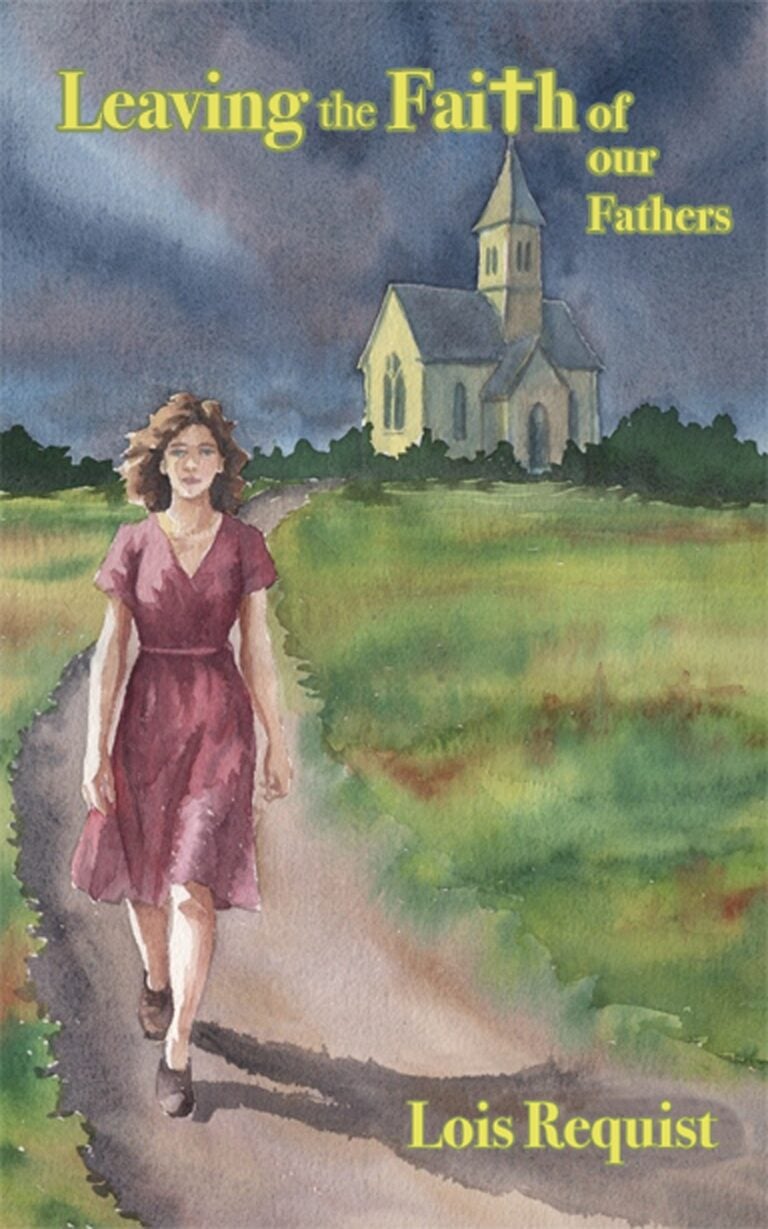

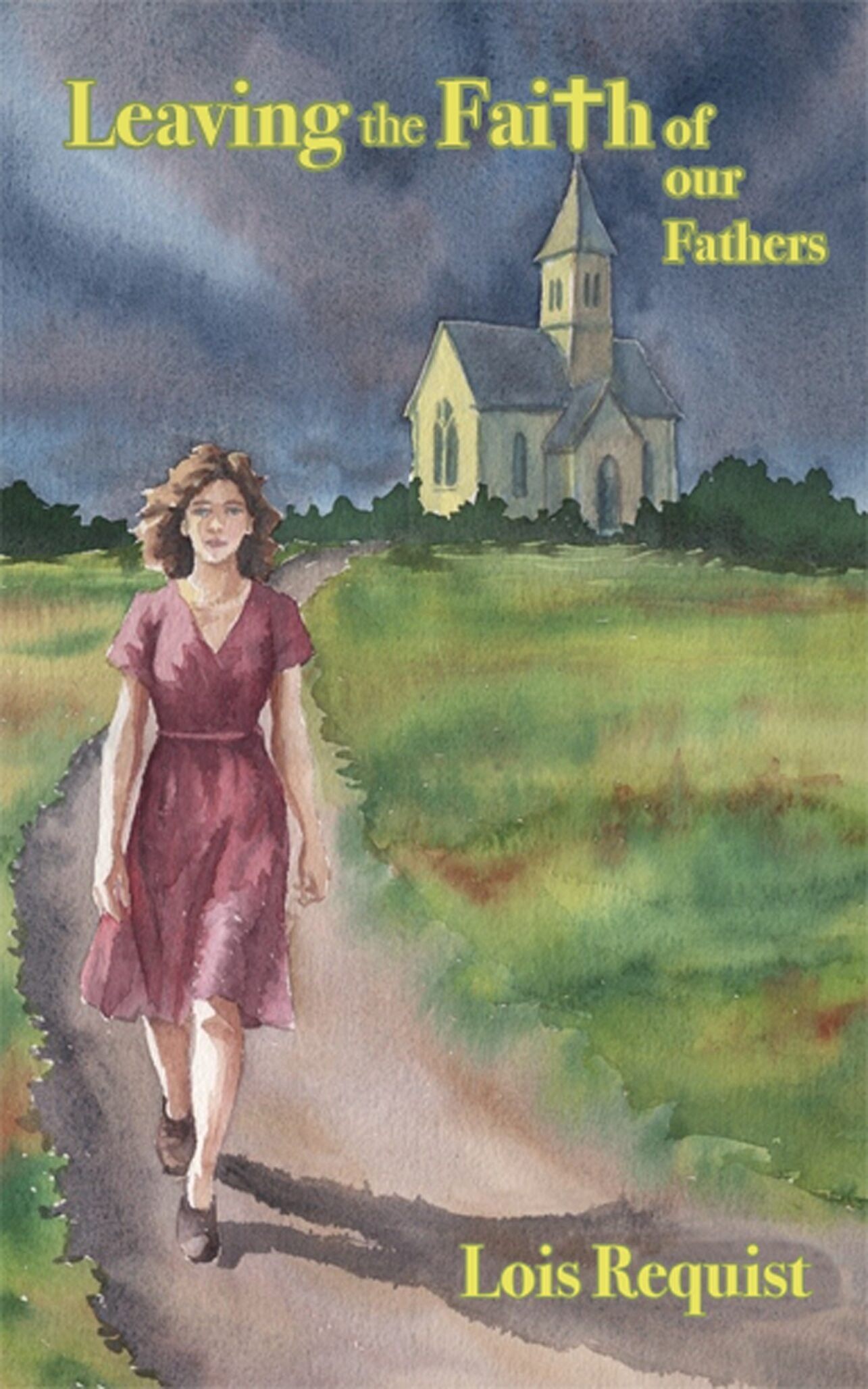
“I was eleven the night I pulled my sin-ridden body toward the altar to beg for God’s forgiveness and mercy,” writes Lois Requist. It’s the very first line of this gripping true-life story of her escape from not one but two strict (some might say extreme) Christian church movements.
Requist’s childhood years were spent in the Northwest Nazarene Church in Nampa, Idaho. It was a church that focused on the idea of an eternity spent in damnation for anybody who might stray from the rules laid out for them. “Know the joy of loving the Lord!” said their preacher, “Or burn in hell forever!” Well, when you put it like that….
By the time Requist turned twelve years old, her family had moved to another church. This one was aligned to the Christian Identity Movement, based around the ideas of European white supremacy and Manifest Destiny. At the time, she was unaware that the ideology of the movement was based on inherently racist ideas fueled by rampant conspiracy theories. It was only when she was able to travel and talk to people outside of her religion that her eyes began to open.
LEAVING THE FAITH OF OUR FATHERS is Requist’s frank retelling of how she came to realize that religious adherence was a matter of belief, not fact, and how she came to examine her own notions of faith. One of the things that led her to question what she had been told was her early love of writing, especially poetry. As she studied more, she found an affinity with this medium as a means of exploring her feelings and understanding the world. Indeed, the author compellingly recounts how she used writing as a means of coping with the difficulties she had in her marriage to her very traditional husband: “I wrote down what I could not express otherwise. On the page, I recognized the differences between us. The blank white spaces between us that I could not fill.”
Elsewhere, Requist writes movingly about how poetry helped her understand and have empathy for a father whom she had always considered unkind. After he died, she wrote a very stark poem. Brutal, even:
Finally
The dead-standing tree
Fallen
Leafless as stone
Hollow as an O
Finished
She would later soften her feelings towards him, but it would be literature that helped guide her—not religion.
LEAVING THE FAITH OF OUR FATHERS includes a number of these poems, as well as snippets from other stories. That includes a feminist retelling of Adam and Eve, which ends with Eve holding Adam’s hand to her chest: one example of many in which Requist questions the patriarchal society into which she was raised and reveals the quiet rebellion that courses through these pages.
There are key moments that elevate the prose above the standard “my life story” memoir that, on the surface, this book most resembles. Requist has a winning way with metaphor, allusion, and rhythm. For example, she writes, “my mind was a seedbed of misdeeds” when recalling the endless days of repentance in her youth. Even simple passages concerning day-to-day family life and relationships are rendered like moments in a short story. The distance felt from her husband as the years go by is painfully conveyed in these few sentences: “I always wanted him to help me learn to dance, perhaps to recreate that moment long ago when we danced and he said, ‘I love you.’ […] But he had not wanted to dance after we were married.”
In both prose and poetry, Requist demonstrates a rare talent that makes LEAVING THE FAITH OF OUR FATHERS well-worth picking up.
LEAVING THE FAITH OF OUR FATHERS is an illuminating memoir of the author's life after a strict religious upbringing. Never overly judgmental of others, Lois Requist recounts her post-church tales with candor and reveals a compassion that so many bound by fundamentalist religions seem to lack.
~ Kent Lane for IndieReader