
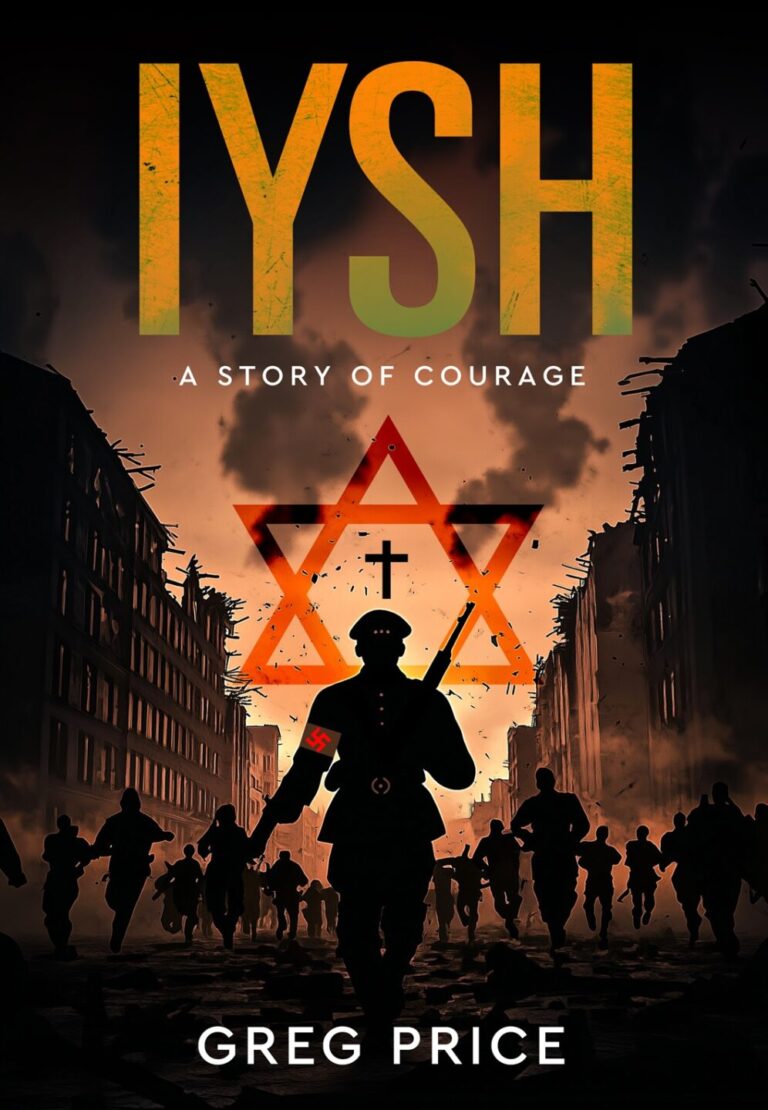

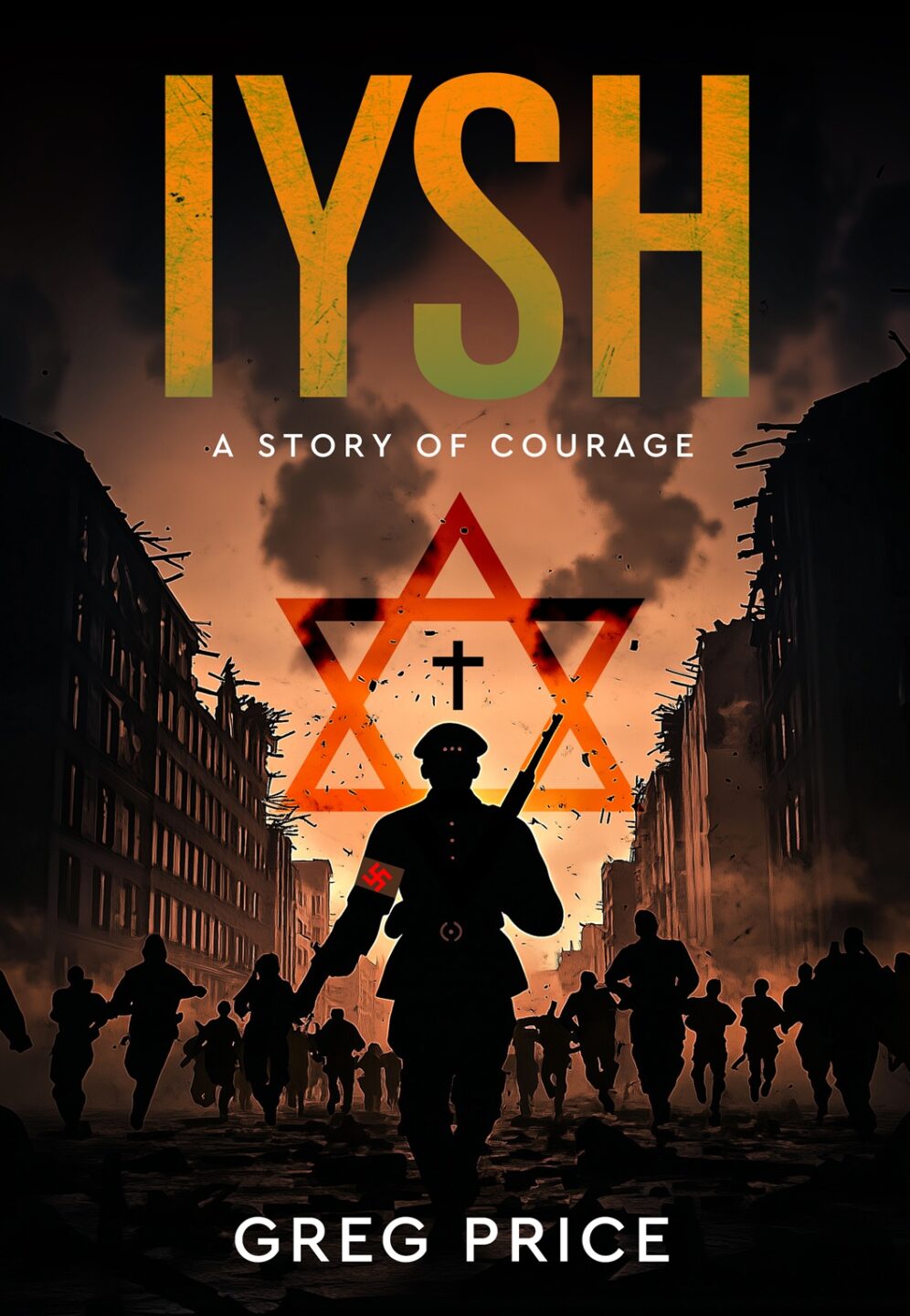
IYSH is a harrowing and carefully constructed historical novel that traces survival not as triumph but sustained moral endurance. Following Leo, a Jewish medical student torn from his family during the Nazi occupation, author Greg Price charts a transformation shaped by loss, resistance, and the burden of witnessing. Rather than relying on spectacle, the novel commits to a sober examination of what it means to remain human under systematic brutality.
Price’s prose is notably controlled and restrained, a stylistic choice that strengthens the novel’s emotional authority. Violence is never sensationalized; instead, it is rendered with blunt clarity that allows events to speak for themselves. Early descriptions establish this tone with stark efficiency, as Leo observes how “order replaced mercy, and routine carried out what cruelty began.” The sentence structure is direct, unadorned, and deliberately mirrors the machinery of oppression.
This restraint carries through the novel’s most devastating passages. During deportations and camp-adjacent scenes, Price avoids melodrama in favor of physical immediacy and psychological weight. Leo’s internal narration reflects this approach: “Fear was no longer sharp enough to cut; it had settled into the body like a second pulse.” The metaphor is quiet but effective, conveying long-term trauma rather than momentary panic.
Characterization is one of IYSH's strongest elements. Leo is not framed as heroic in the conventional sense, but as disciplined, observant, and increasingly burdened by responsibility. His medical training becomes both a survival tool and an ethical compass, forcing him to weigh usefulness against risk. As the narrative progresses into resistance work, the novel excels at portraying moral ambiguity—particularly the cost of actions that save some lives while endangering others.
Price is especially effective in depicting endurance as labor rather than inspiration. Survival is repetitive, exhausting, and frequently isolating. In one reflective passage, Leo notes that “staying alive required attention the way faith once had.” The comparison underscores how vigilance replaces belief, and how survival itself becomes a daily discipline.
While the novel’s middle sections occasionally slow as Leo moves between hiding places and resistance cells, this measured pacing ultimately reinforces the psychological reality of prolonged conflict. The narrative favors accumulation over momentum, allowing themes of memory, responsibility, and witness to deepen organically. For that reason and more, IYSH succeeds as a serious, ethically grounded work of historical fiction—one that values precision, restraint, and moral clarity over dramatization.
In IYSH, Greg Price delivers a powerful and thoughtfully restrained historical novel that confronts survival not as victory but responsibility. Its disciplined prose and moral seriousness make it a strong, affecting read for fans of literary and historical fiction.
~ Megan Parker for IndieReader