
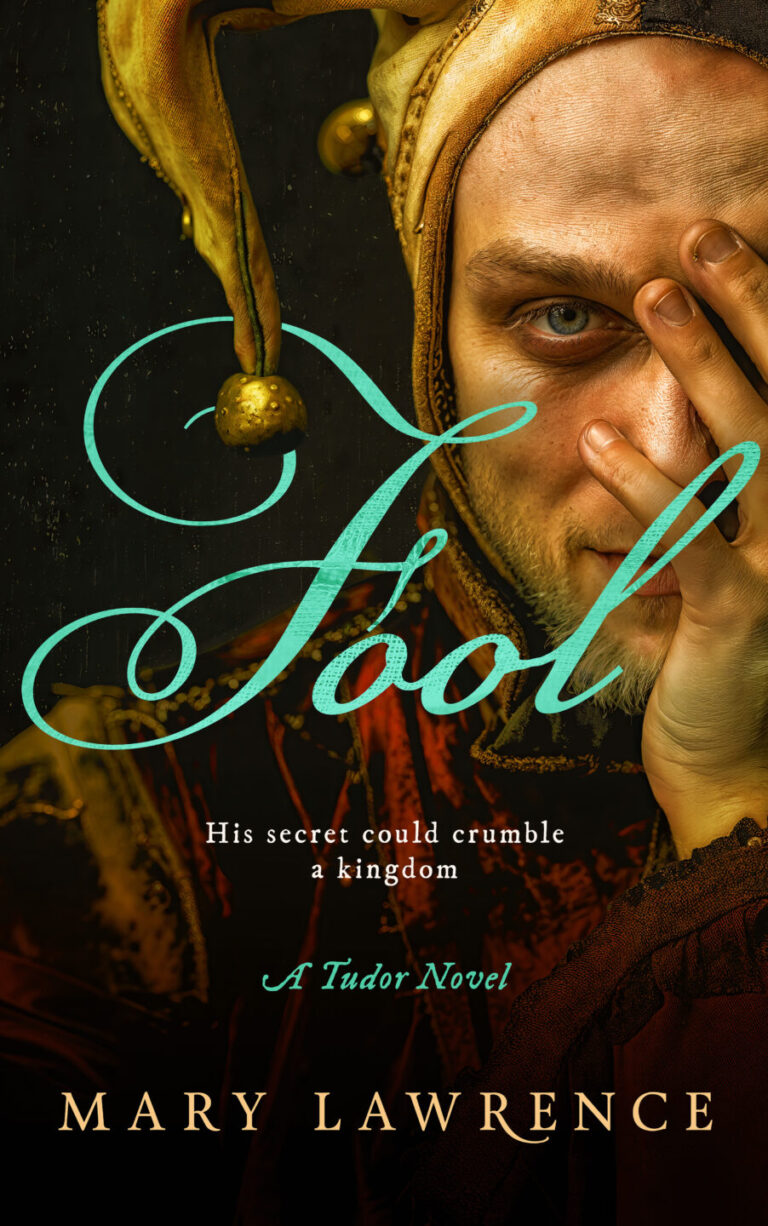

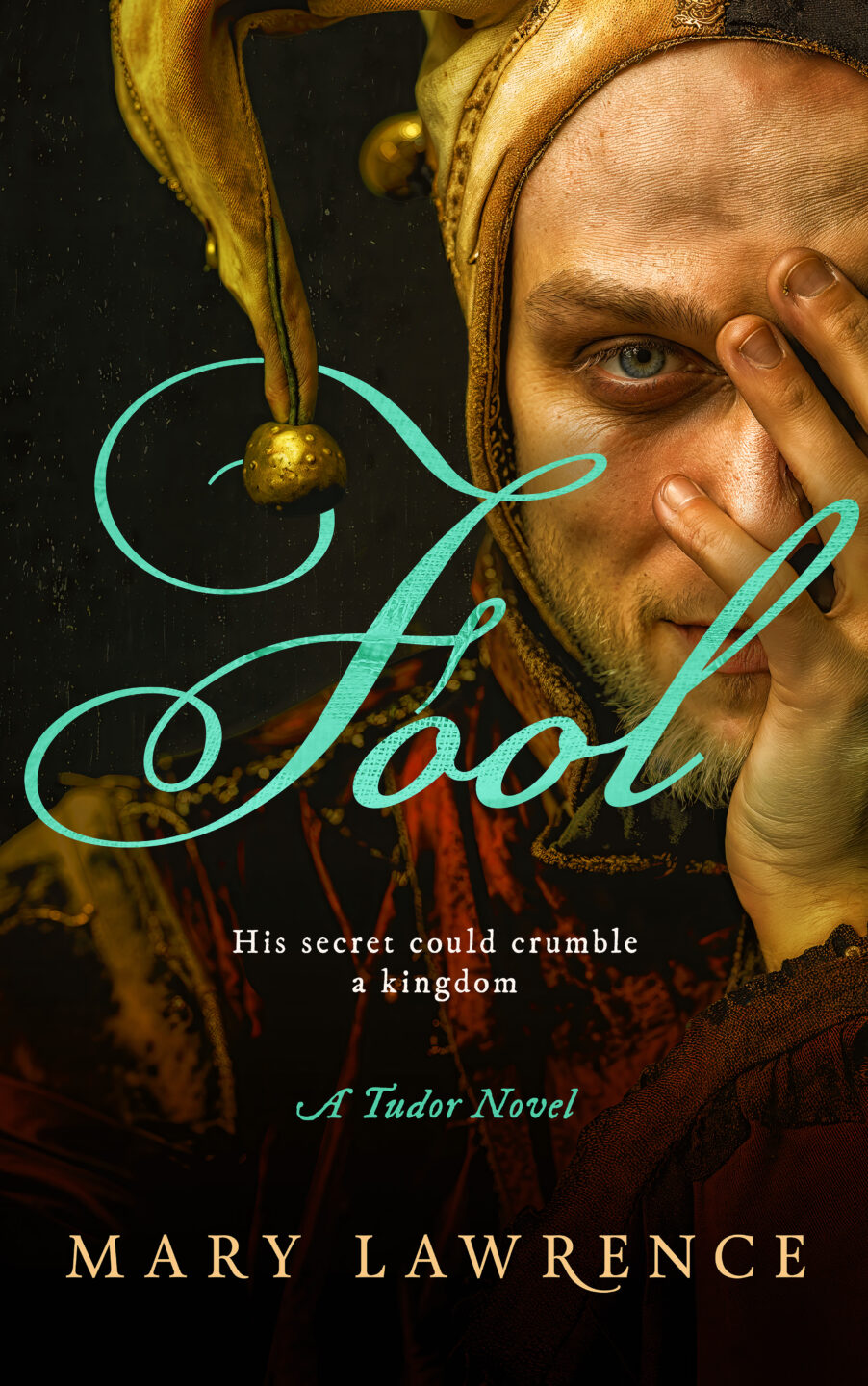
Mary Lawrence’s FOOL: A Jester's Reckoning in the Court of King Henry VIII~Betrayal, Revenge, and the Power of Perception is a thoughtful and unsparing Tudor novel that reframes the court jester not as comic ornament but as a precarious witness to power. Narrated by Kronos, a dwarf raised in a Benedictine priory and later installed as Henry VIII’s fool, the novel examines how knowledge, marginality, and enforced silence intersect within rigid institutions.
Lawrence’s prose is notably restrained and deliberate, favoring clarity and control over emotional excess. Even when depicting cruelty or degradation, the narration resists melodrama—allowing the impact to emerge through understatement rather than spectacle. Tonal discipline is evident in Kronos’s reflections on survival and speech: “A fool uttereth all his mind: but a wise man keepeth it in till afterwards.” This line encapsulates the novel’s central irony: licensed speech is only safe until it ceases to serve power.
Descriptions throughout the novel are vivid but purposeful, grounding the reader in physical and social realities without lingering unnecessarily. After Kronos’s fall from favor, Lawrence employs blunt, unvarnished language to convey abandonment: “The sky pisses on my pathetic person and I wallow in the rain and rotting filth of London.” The coarse diction supports the novel’s refusal to romanticize suffering, underscoring its historical realism.
Characterization is another area where the novel excels. Kronos is rendered with intellectual sharpness and emotional complexity, neither idealized nor reduced to symbol. His internal narration balances wit, bitterness, and philosophical reflection, creating a voice that feels both historically grounded and psychologically contemporary. Lawrence allows Kronos to remain more observant than heroic, which strengthens the novel’s credibility and thematic focus. Equally effective is Lawrence’s handling of knowledge as liability. Kronos survives by observing, listening, and remembering skills that grant him proximity to power yet ultimately render him expendable. His marginal status encourages others to speak freely in his presence, mistaking physical difference for intellectual absence.
While the novel’s middle sections linger over Kronos’s formative years slightly longer than needed, this measured pacing ultimately deepens the emotional and thematic payoff. These chapters establish the intellectual discipline and moral awareness that later make Kronos such a dangerous observer. By the end, FOOL succeeds as a carefully controlled historical novel that privileges insight, restraint, and ethical complexity over sensationalism.
In FOOL: A Jester's Reckoning in the Court of King Henry VIII~Betrayal, Revenge, and the Power of Perception, Mary Lawrence delivers a strong and carefully crafted historical novel that uses restraint, insight, and moral clarity to examine power and silence in Tudor England. This novel rewards patience with depth, intelligence, and emotional control.
~ Megan Parker for IndieReader