
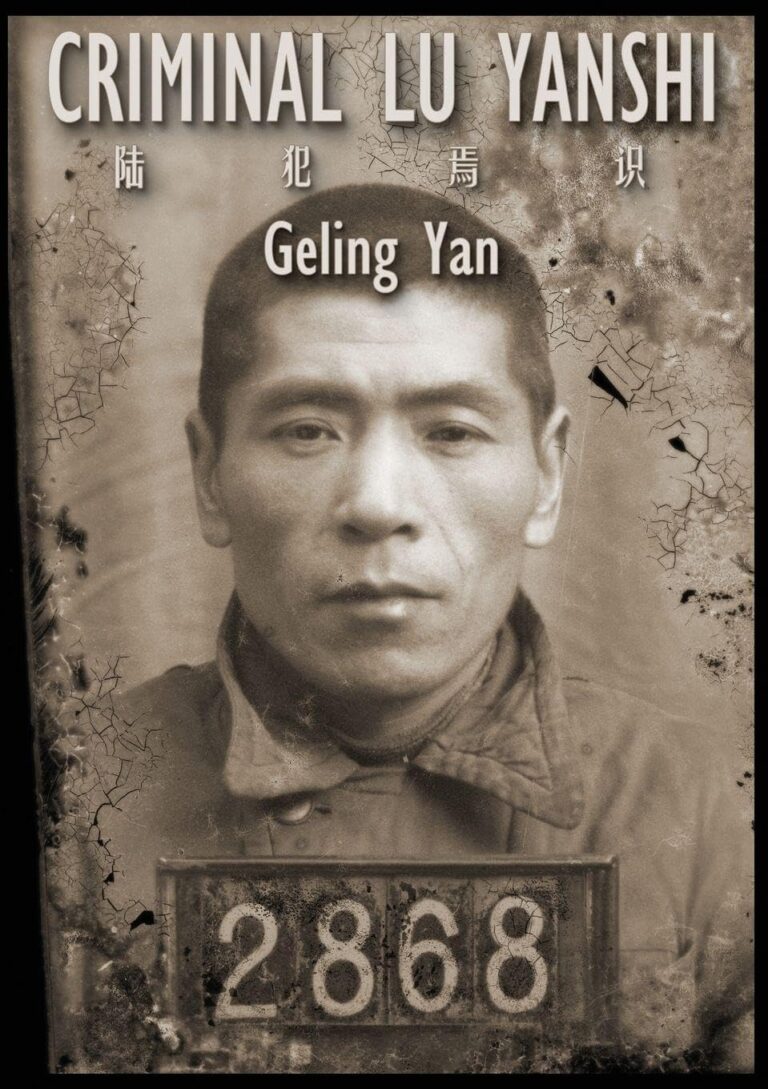

Geling Yan’s CRIMINAL LU YANSHI is a sweeping, emotionally devastating historical novel that examines memory, endurance, and the long aftershocks of political persecution with remarkable depth and precision. Through the life of Lu Yanshi, an intellectual imprisoned as a “counter-revolutionary,” Yan crafts a narrative that is both intimate and epic—illuminating how time, trauma, and regret reshape identity and love.
Lawrence Walker's translation of the novel’s prose is vivid yet restrained, allowing the emotional weight of the story to accumulate gradually. Early descriptions of the labor camp set the tone with stark, almost mythic imagery: the grassland becomes “a boundless verdant desert, eternally desolate yet luxuriant in its desolation,” a line that encapsulates both the beauty and brutality of the setting. Yan balances lyrical reflection with unflinching realism throughout the narrative, often grounding emotional revelations in precise physical detail. The prisoners’ world is rendered with chilling clarity, where “the rifles sounded on and on” and survival depends as much on psychological endurance as physical strength. Even moments of routine brutality (men reduced to numbers, hunger eroding dignity) are conveyed with measured language that heightens rather than sensationalizes the horror.
Rich with memory, regret, and belated tenderness, Lu’s interior life anchors the novel. His reflections on his wife and children—particularly his dawning awareness of love he once overlooked—add emotional depth without sentimentality. This quiet realization is captured through understated moments rather than overt declarations, allowing the reader to feel the cumulative weight of time lost and connections fractured. Even in scenes of deprivation, Yan’s language retains a haunting elegance. Lu senses life continuing through small objects and memories, such as the watch that pulses “like a tiny little life”—a subtle but powerful symbol of endurance and the persistence of identity beneath imposed labels.
The narrative structure—moving between camp life, flashbacks, and the aftermath of imprisonment—creates a layered portrait of both a man and an era. Yan never loses sight of the broader historical context, yet the story remains deeply personal and focused on how political upheaval reverberates through family, identity, and memory. The result is a novel that's as much about emotional survival as physical survival, and one that lingers long after its final page. Richly textured, emotionally resonant, and beautifully written, CRIMINAL LU YANSHI stands as an extraordinary achievement in historical fiction.
Lawrence Walker's translation of Geling Yan’s CRIMINAL LU YANSHI is a masterful and deeply moving work that pairs lyrical prose with a powerful exploration of memory, regret, and resilience.
~ Megan Parker for IndieReader