
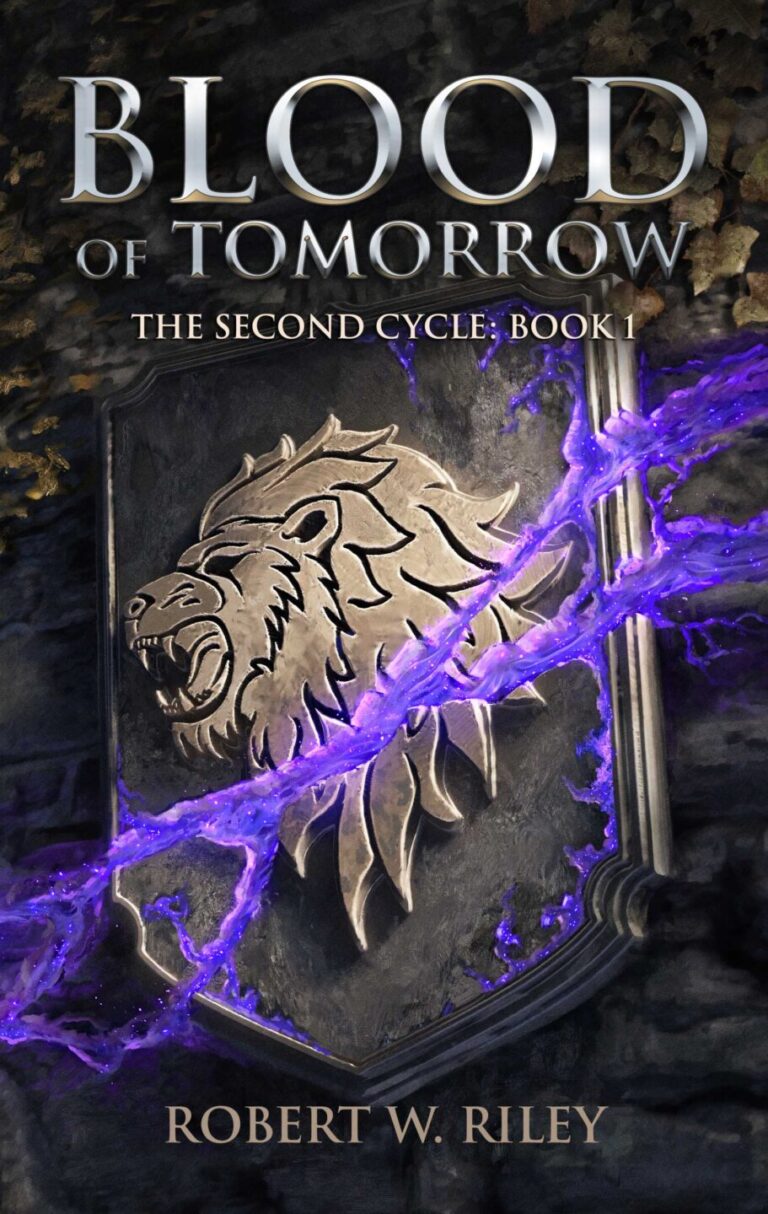

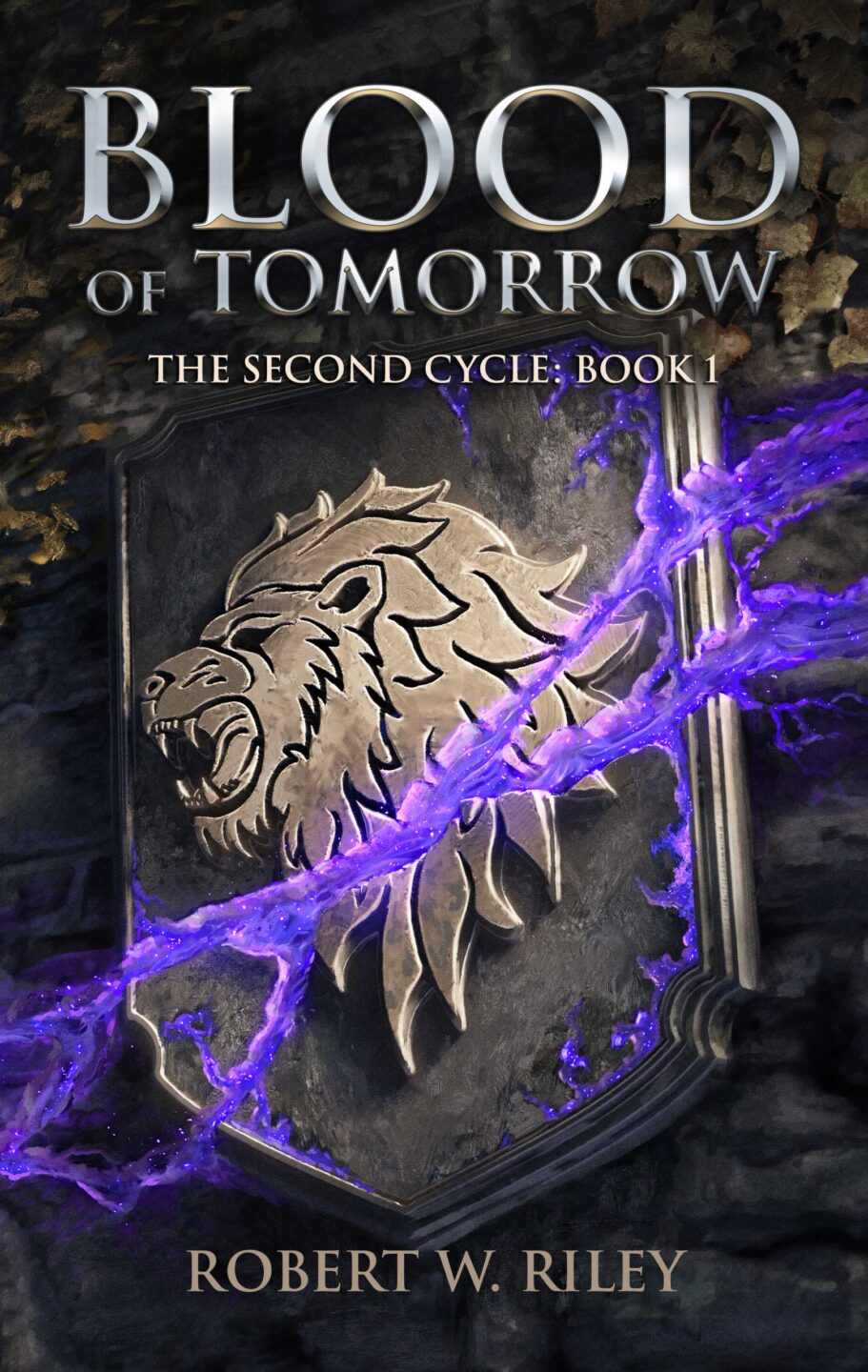
BLOOD OF TOMORROW: The Second Cycle Book 1 is an adventurous fantasy that follows Cedrik Theramond as rumors of a mysterious army begin spreading across the kingdom of Alcia. What first appears to be a distant military threat quickly grows into something far more dangerous as political instability, ancient prophecies, and uneasy alliances begin reshaping the realm. Author Robert W. Riley builds the story around war, loyalty, and survival, but its actual appeal comes from the people caught in the middle of the conflict. Their fears, loyalties, and personal struggles make the larger stakes feel immediate rather than distant.
The pace is brisk, but Riley still leaves room for quieter moments to matter. Characterization is where the novel is strongest. Riley avoids relying too heavily on familiar fantasy roles, instead giving his central figures competing loyalties, private wounds, and believable moments of doubt. Cedrik’s sense of duty, particularly when he is forced to follow orders he doesn't fully trust, gives the story much of its emotional tension. That depth is also clear in lines such as “Don’t let them see you bleed. If you look weak, they will eat you,” where a queen’s pain is hidden beneath the discipline that leadership demands. It's a brief moment, but a revealing one. Power in this novel feels fragile—something that must constantly be defended rather than simply possessed.
The book is consistently engaging. Riley keeps events moving through shifting relationships, rising stakes, and the steady sense that danger is never far away. Early scenes describing the approaching enemy force as “a machine moving across the earth” immediately establish the scale and unnatural precision of the threat facing Alcia. Even with that momentum, character development still has room to breathe.
BLOOD OF TOMORROW's main weakness is that the pace can occasionally move faster than the story’s quieter moments can settle. Some scenes would have benefited from a little more space, particularly when emotional or political developments are unfolding. The prose also grows dense sometimes, especially when description and plot progression arrive at once. For many fantasy readers, that richness will add to the immersion; others may prefer to slow down and absorb the detail.
The ending lands well, too. It closes the book’s central conflict while still leaving room for what comes next, creating interest in the next installment without making this one feel incomplete. Built on memorable characters, real emotional stakes, and a setting that feels shaped by both history and looming catastrophe, BLOOD OF TOMORROW should appeal to readers who enjoy character-driven adventure and momentum.
Robert W. Riley’s BLOOD OF TOMORROW: The Second Cycle Book 1 delivers a gripping fantasy adventure whose vivid characters and satisfying ending make the next installment easy to anticipate.
~ Katherine Crucilla for IndieReader