
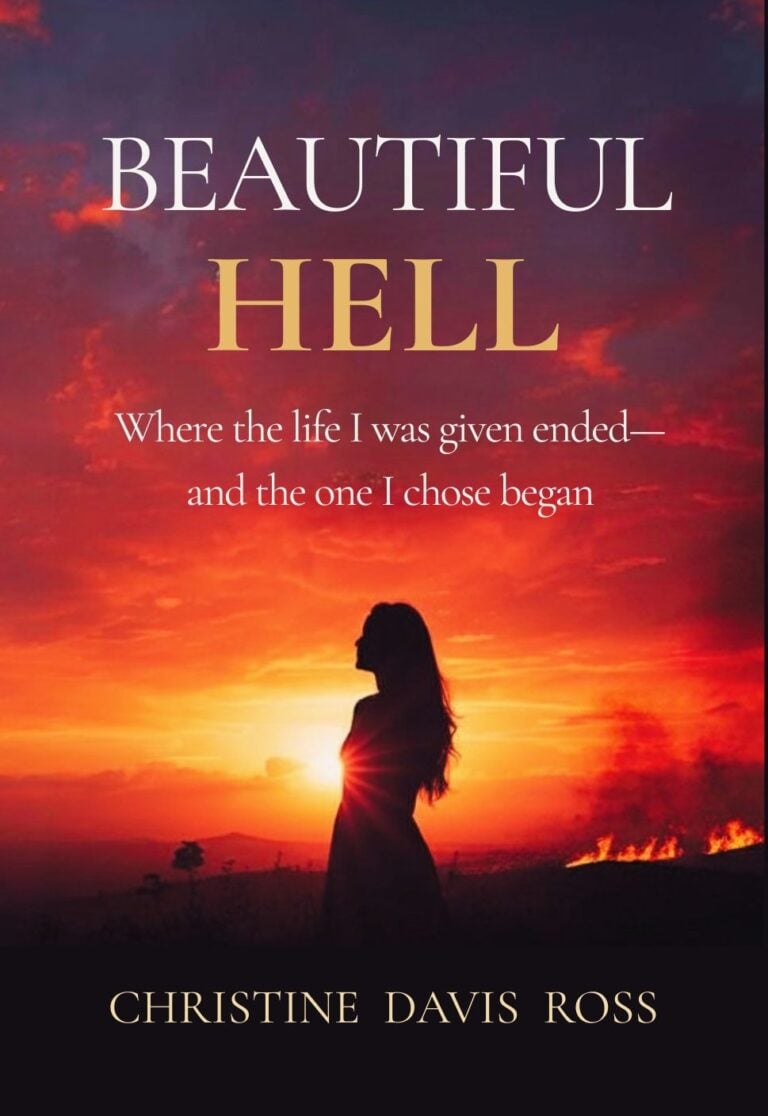

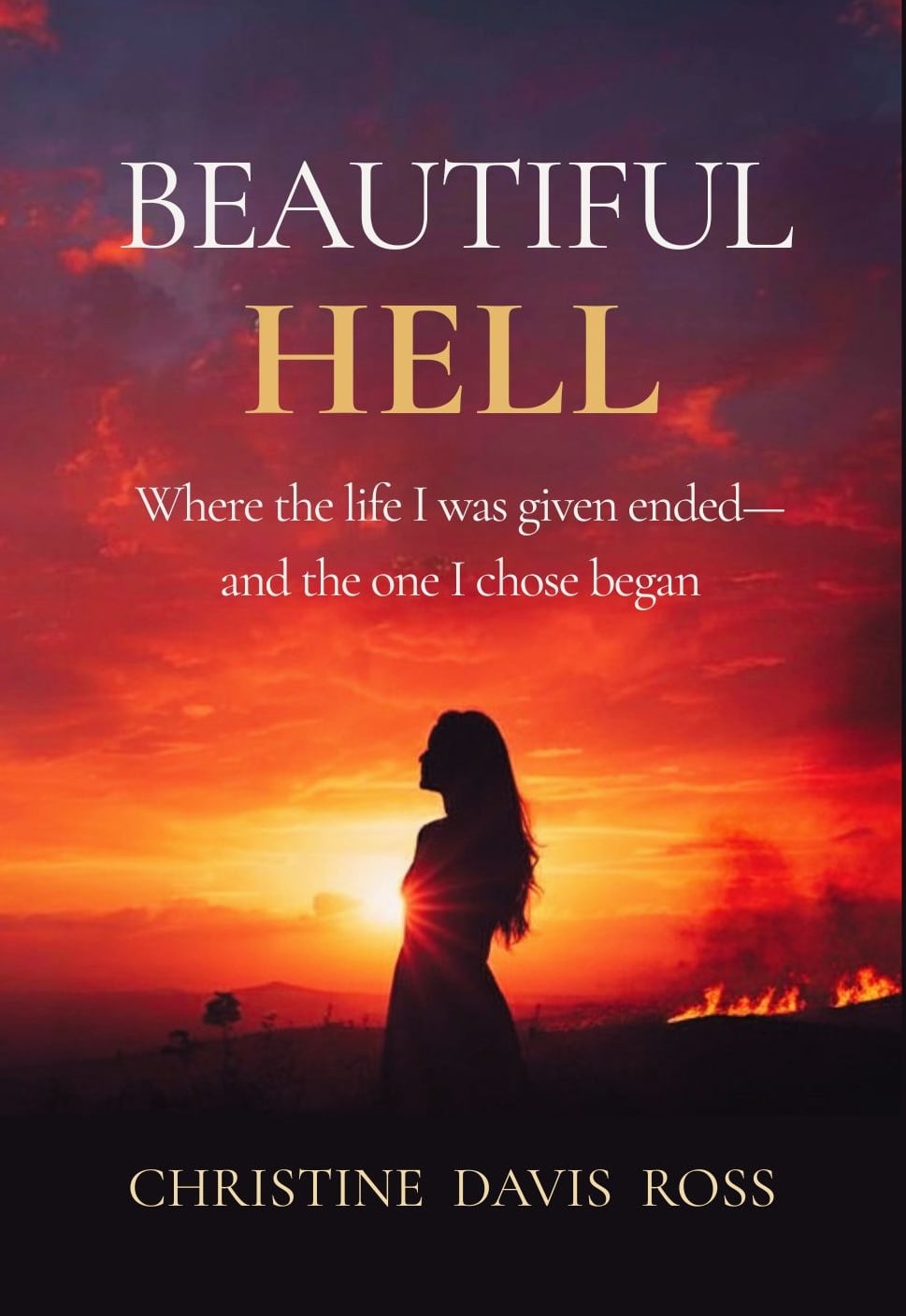
In BEAUTIFUL HELL: Where the Life I Was Given Ended—and the One I Chose Began, Christine Davis Ross revisits a childhood where family problems were often ignored, painful experiences went unspoken, and appearances frequently mattered more than honesty. While the book contains difficult material, it ultimately becomes a story about healing, identity, and learning how to make peace with a past that cannot be changed.
What sticks with the reader most is Ross’s ability to write from the perspective of the child she once was. Many of the book’s most difficult moments are not told through the certainty of adulthood but through the confusion of a child trying to understand situations that make little sense at the time. That approach gives the memoir much of its emotional impact. The abuse described in the book is often disturbing, but the hardest parts to read are the moments where the narrator is still trying to understand what's happening around her.
Family relationships drive much of the narrative. Ross does not divide family members into neat categories of good and bad. Some of the people who cause harm are also the people she loves, and that tension runs throughout the memoir. The relationships feel messy, complicated, and believable—especially in the sections where Ross reflects on the silence that surrounded many of the family’s problems and how those experiences continued to affect everyone involved.
The memoir also offers a glimpse into the culture surrounding Ross’s upbringing. One of the more memorable observations describes Utah Valley as being filled with “polite smiles that always seemed to ask the same silent question: How high is your church calling?” In a single line, Ross encapsulates the pressure to belong and the social expectations that seemed woven into everyday life. However, readers unfamiliar with Mormon beliefs may occasionally find themselves wanting more context, as some references and practices are presented with the assumption that the audience already understands them.
Ross’s writing is often at its strongest in quieter moments. A simple prayer asking for comfort, guidance, and the ability to “move forward with grace” captures the emotional heart of the memoir far more effectively than any dramatic revelation. These passages help shift the focus from trauma alone toward healing and acceptance.
The book does wander at times, and not every section moves at the same pace. A few chapters spend considerable time revisiting emotions and experiences that have already been explored, which occasionally makes the text feel repetitive. Still, the sincerity behind the storytelling keeps one invested even when the pace slows.
By the end, BEAUTIFUL HELL feels less like an account of what happened to Christine Davis Ross and more like a memoir about who she became because of it. The line, “Not the daughter she hoped I would be. But, the woman I became,” serves as a fitting summary of the book’s larger message. It's an emotionally honest story of survival, healing, and the challenge of defining oneself beyond the expectations of family, faith, and the past.
Christine Davis Ross’s BEAUTIFUL HELL: Where the Life I Was Given Ended—and the One I Chose Began is at its strongest when exploring the complicated intersections of family, faith, and identity. A thoughtful and emotionally candid account of healing after trauma.
~ Katherine Crucilla for IndieReader