
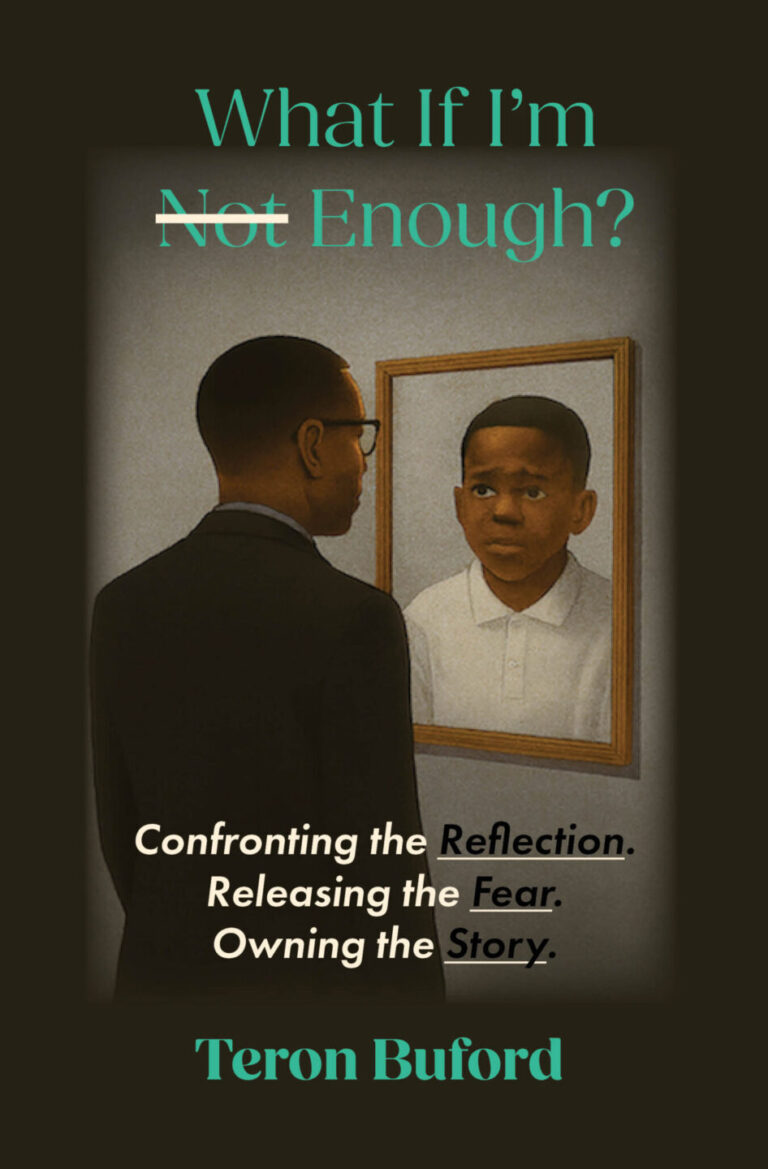
 WHAT IF I’M ENOUGH?: Confronting the Reflection. Releasing the Fear. Owning the Story
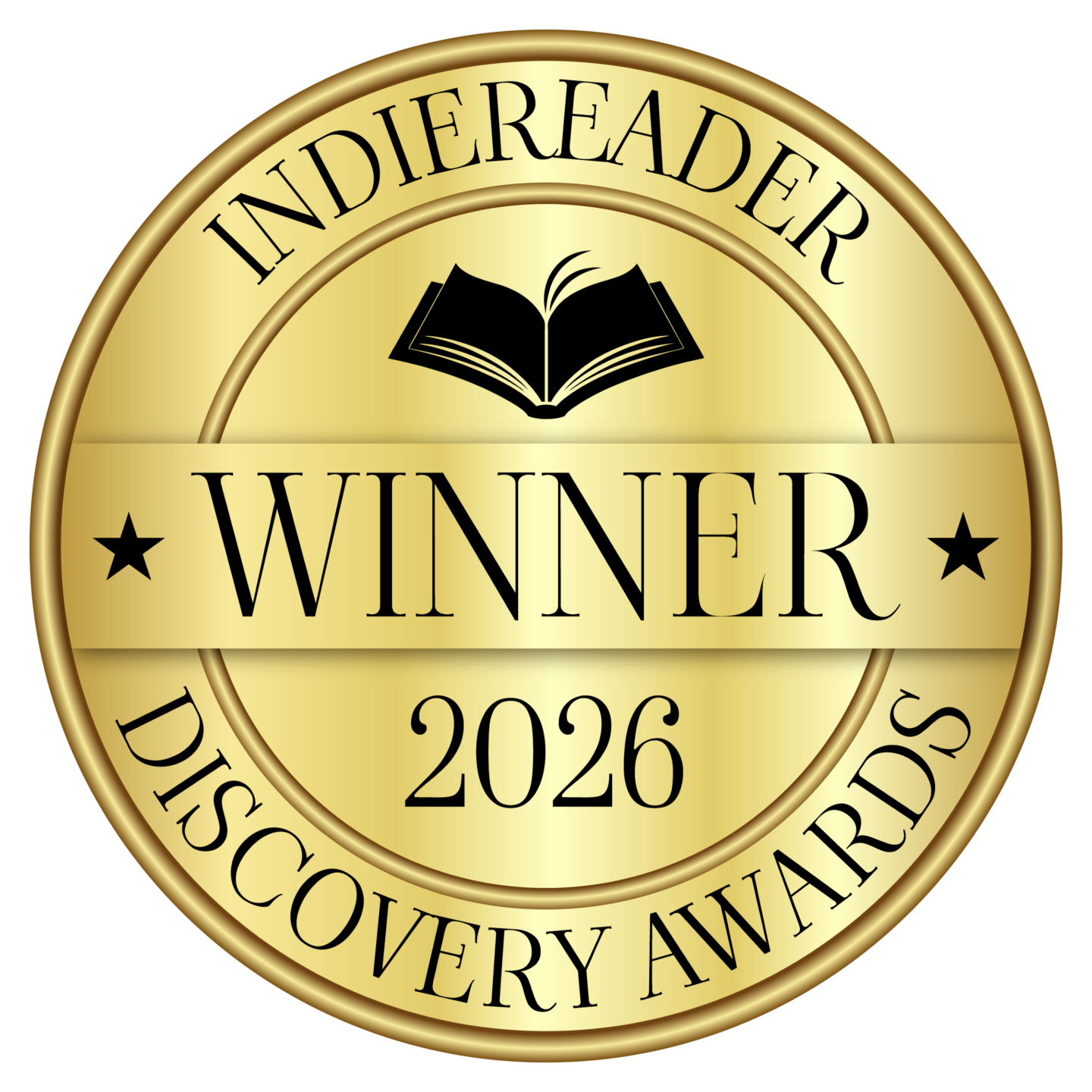
Winner of the 2026 IndieReader Discovery Awards in Overall Nonfiction: Second Place
What’s the book’s first line?
“I’ll keep this short and sweet: my wife encouraged me to pick up writing as an outlet during a time when my mental health became so overwhelmed by the hurt and hardship occurring in the world around me that I began to fall headlong into a pit of grief and despair.”
What’s the book about? Give us the “pitch”.
This book is part memoir, part invitation. Through stories of family, grief, fatherhood, mental health, masculinity, race, and belonging, I explore what happens when we stop chasing our worth through achievement, approval, and performance and start embracing who we already are. At its core, it’s a book about identity and the courage to live authentically.
What inspired you to write the book? A particular person? An event?
The book was inspired by a lifetime of experiences that all seemed to point toward the same question: Who am I when the titles, expectations, and accomplishments are stripped away? My work as a therapist, leader, husband, father, and basketball official gave me a front row seat to how many of us struggle with that question. Eventually, I realized I wasn’t just observing that struggle. I was living it too.
What’s the main reason someone should really read this book?
Because so many people are exhausted from trying to be enough for everyone else. If you’ve ever questioned your worth, wrestled with your identity, or felt like you were carrying parts of yourself that were never really yours to begin with, I hope this book reminds you that you’re not alone.
 When did you first decide to become an author?
Honestly, I didn’t grow up dreaming of becoming an author. I became a writer because there were stories and lessons I couldn’t keep to myself anymore. Writing became a way to make sense of my own journey and hopefully help others make sense of theirs.
Is this the first book that you’ve written?
I’ve told a lot of stories, but this is the first written account.
What do you do for work when you’re not writing?
I’m currently a community health leader focused on improving health outcomes and strengthening communities. Beyond that role, I’m also a motivational speaker, college basketball official, husband, father, son, uncle, brother, nephew, cousin, and friend.
How much time do you generally spend on your writing?
When I was actively writing the book, I spent several hours each week writing, revising, and reflecting. The actual typing was only part of the process. A lot of the writing happened while driving, walking, officiating games, or sitting with difficult questions.
What’s the best and the hardest part of being an indie?
The best part is complete ownership of the vision. Every word, design choice, and decision reflects exactly what I wanted the book to be. The hardest part is realizing that you’re not just the author. You’re also the marketing team, operations department, and chief problem solver.
What’s a great piece of advice that you can share with fellow indie authors?
Write the book that feels honest, not the book you think people want to buy. Readers connect with authenticity far more than perfection.
Would you go traditional if a publisher came calling? If so, why?
I’d certainly be open to the conversation. For me, it would depend less on the publisher and more on whether the partnership helps the message reach more people while staying true to the heart of the work.
Is there something in particular that motivates you (fame? fortune?)
Impact. If someone reads the book and finally gives themselves permission to stop performing and start living authentically, that’s worth more to me than sales numbers or recognition.
Which writer, living or dead, do you most admire?
Probably Ms. Maya Angelou. Few writers have combined honesty, wisdom, vulnerability, and hope as powerfully as she did.
Which book do you wish you could have written?
“Somehow I Manage” by Michael Scott.