
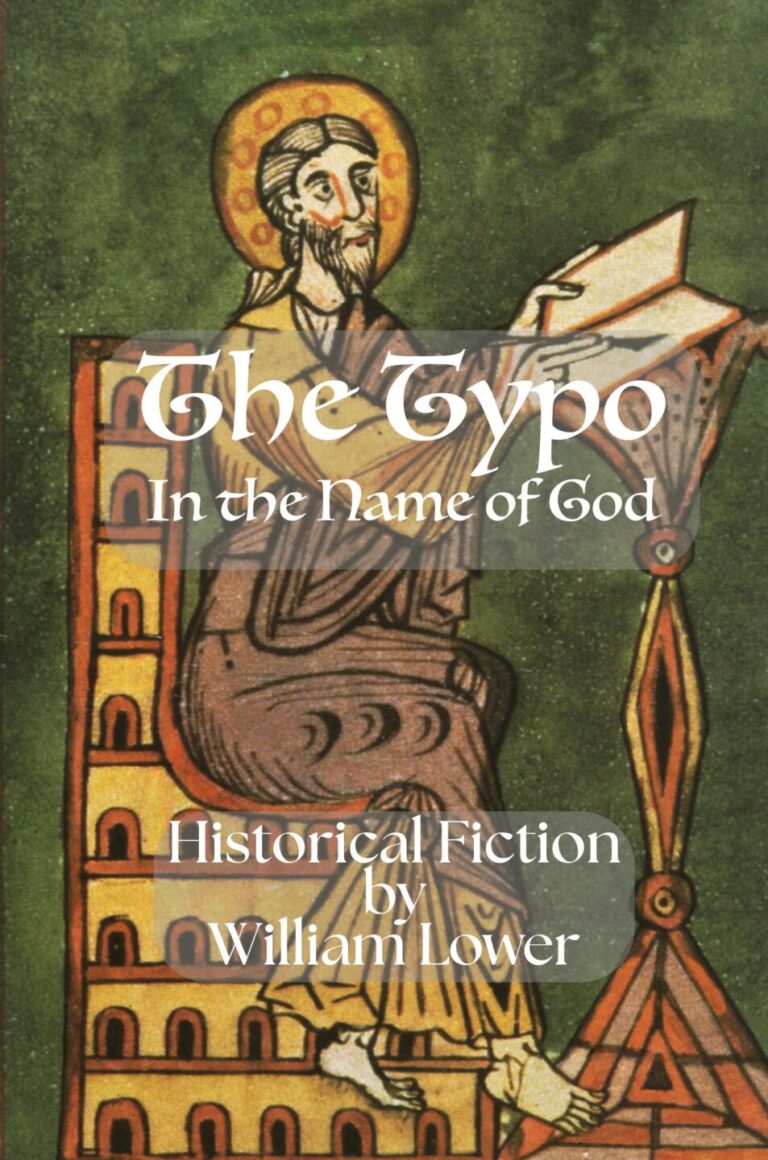
 THE TYPO: In the Name of God
Winner of the 2026 IndieReader Discovery Awards in Humor, Fiction
What’s the book’s first line?
“Antonio Strozzi, a renowned Florentine illustrator, was putting the final touches on his artwork, carefully dabbing his precious ultramarine-blue ink.”
What’s the book about? Give us the “pitch”.
Set in Renaissance Florence during the arrival of the printing press, The Typo: In the Name of God follows a manuscript illustrator who discovers a blasphemous typo in the Gutenberg Bible just as technology begins reshaping the creative world around him.
Part historical satire, part contemporary mirror, the novel explores what happens when institutions, artists, power and belief collide during moments of disruptive change. Beneath the humor lies a story about censorship, creativity, fear, ambition and humanity’s remarkable ability to repeat itself.
It’s a novel about the 15th century. And very much about today.
What inspired you to write the book? A particular person? An event?
Today’s angst, upheaval, occasional anger and animated debate over AI’s impact on creative professions made me wonder when else technology had disrupted the creative world. The printing press immediately came to mind.
Then a funny idea hit me: What if a manuscript illustrator—whose profession was about to become obsolete—discovered a typo in the Gutenberg Bible?
What began as a humorous notion became something more. The deeper I dug into the period, the more I realized that many of the issues we wrestle with today—technological disruption, censorship, institutional power, fear of change, and the struggle to adapt—were surprisingly similar to 15th-century Europe.
It started as a funny idea. It became a funny book.
What’s the main reason someone should really read this book?
Beneath the humor, readers may recognize something familiar. Although the story takes place in 15th-century Florence, much of it feels surprisingly contemporary: How do we react when technology changes the rules? How do institutions respond when their authority is challenged? Why do we keep making the same mistakes?
Besides, the book is considerably more entertaining than housework.
What’s the most distinctive thing about the main character? Who-real or fictional-would you say the character reminds you of?
Antonio is, in many ways, every one of us—doing his best to navigate a rapidly changing world. And Gabriele? Well, you’ll just have to read the book.
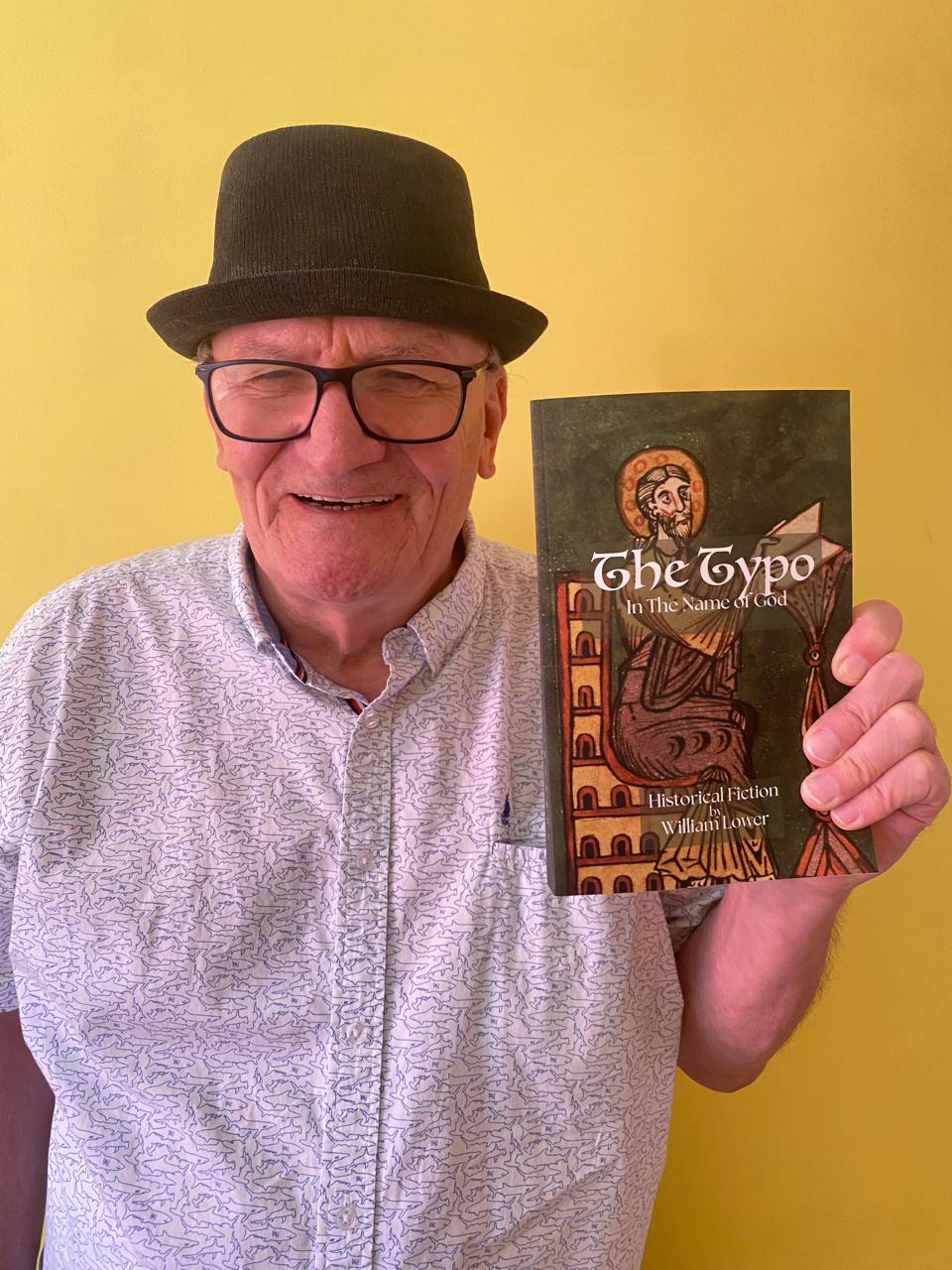 Is this the first book that you’ve written?
No
Is there something in particular that motivates you (fame? fortune?)
Being read.
Which writer, living or dead, do you most admire?
J.D. Salinger
Which book do you wish you could have written?
Catch 22