
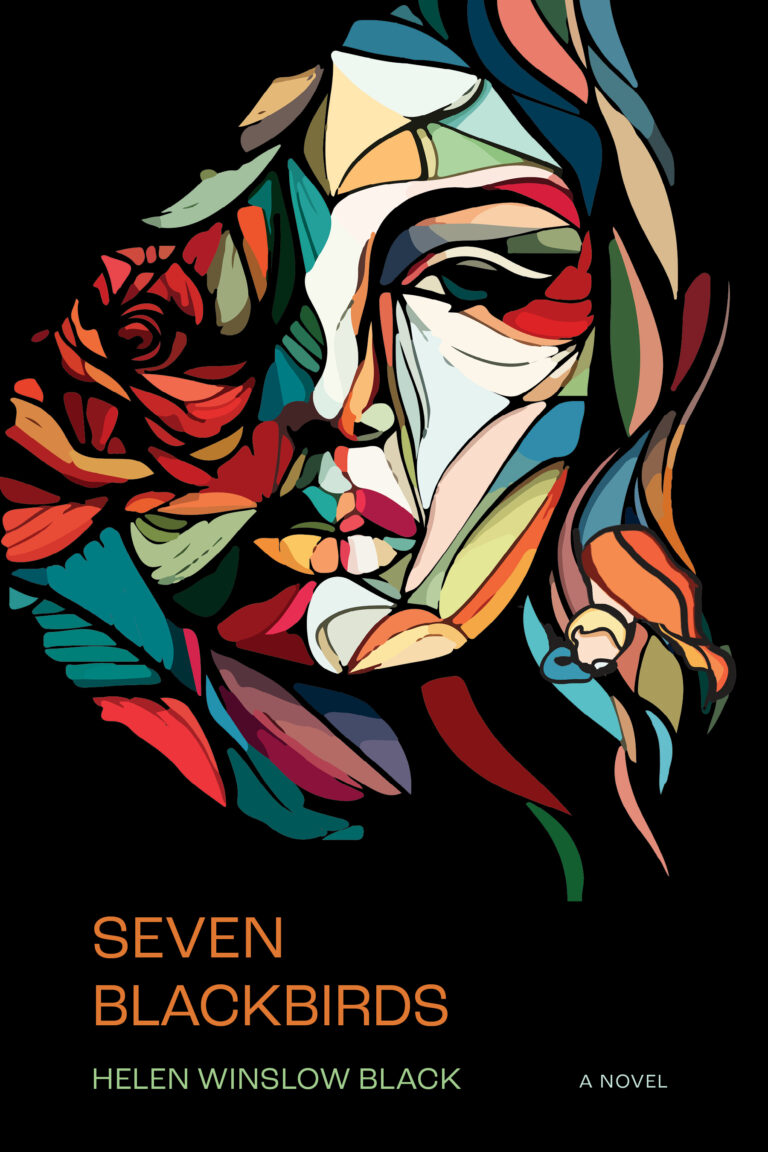

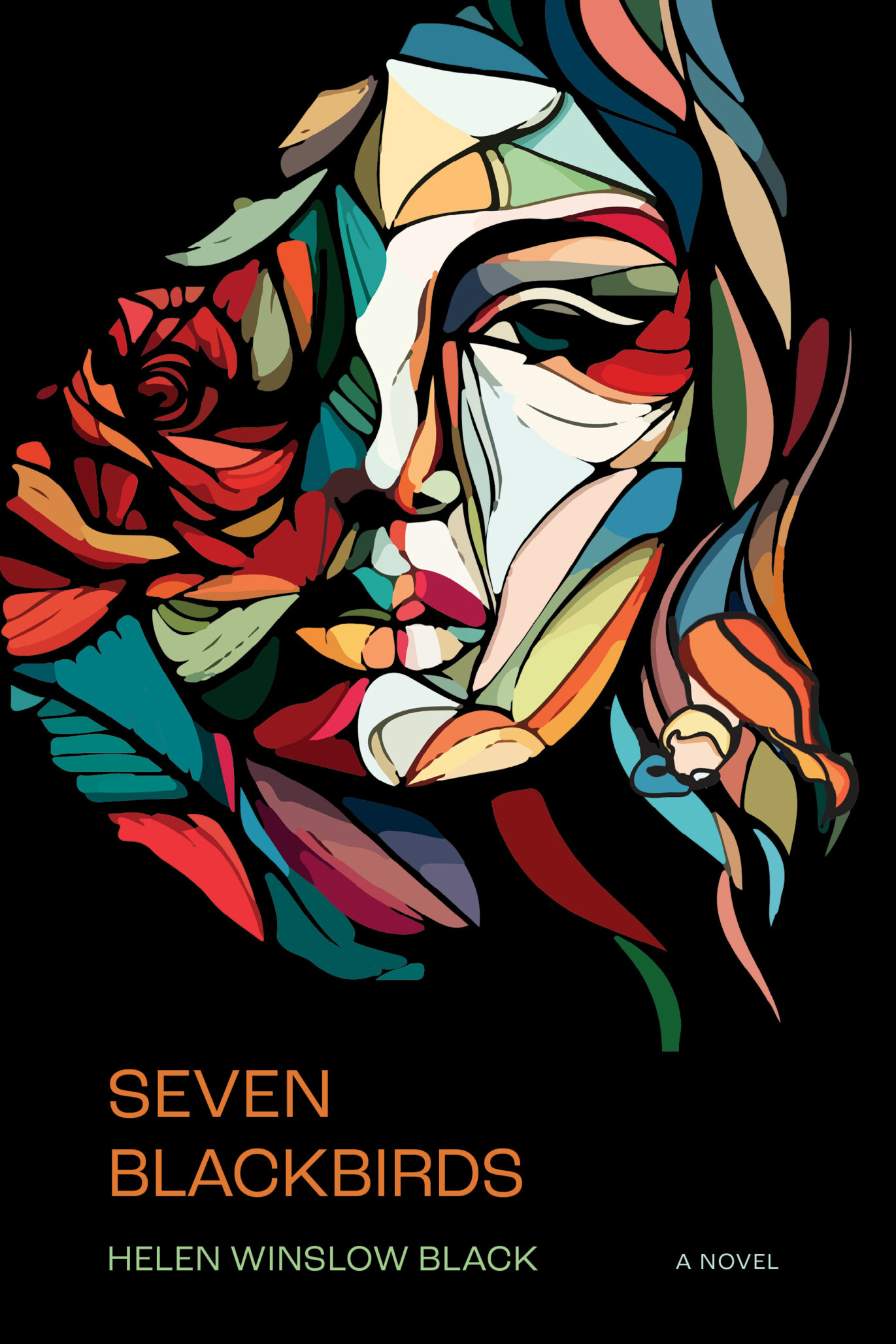
A new mother struggles to regain her freedom and sense of self after an abusive marriage in Helen Winslow Black’s SEVEN BLACKBIRDS. The novel begins in medias res with Kim being struck in the face by her abusive husband, Larry, while she nurses their infant son. After this, he proceeds to study as if nothing untoward happened, evidencing the regularity and commonplaceness of his abuse while giving the book a jarring start. Kim remarks, “My psychological universe had just been shattered, and he was studying juvenile justice in his running shorts.” What follows is a series of non-linear vignettes alternating between the present divorce struggle in Tulsa, Oklahoma and past events revolving around their courtship, her difficult pregnancy, and the escalating manipulation and neglect.
Black presents a harrowing and introspective first-person portrayal of psychological abuse with unflinching authenticity through Kim, who oscillates between self-doubt, walking on eggshells, rationalizing irrational behavior, isolation, and eventually realization and determination to put an end to the abuse. This situation is made even more intriguing by Kim and Larry being lawyers, who should be aware of what is permissible and what isn’t. Larry is a controlling man, effective in his villainy through his unpredictability, cruelty, and warped logic. In one instance, when she is sixteen weeks pregnant, he remarks, “off the couch, I see,” while looking down at her to demean her. Ironically, he is not a useful person in anyone’s life, but he is critically useful as the story’s antagonist, perfectly embodying the specific terror of high-functioning abuse. While there are hints of sibling rivalry and privilege, the reason for his warped logic and abuse remains hidden—creating a void in his backstory.
The supporting characters (such as Hal, who reassures Kim after she is served Larry’s retaliatory divorce filing and begins to spiral) also provide perspective, support, and moments of much-needed relief and humor. Both comedy and realism can be found in her best friend’s expression of unfiltered joy when Kim announces that she’s getting a divorce: “Oh, my God finally! I’m so happy! Now I can tell you how much I hate him. I kept my lips zipped for three whole years! What a snake! What an absolute snake! I’m so happy.”
However, the non-linear structure of the book, which is effective for introspection, can occasionally feel disjointed. The jumps between timelines, such as a jump from the violent present to a past Christmas, disrupt the narrative momentum. The lack of clear delineations between these jumps, repetition, and detours for travel, etc., further interrupt the flow of the novel.
Overall, however, Helen Winslow Black’s book is an empathetic and authentic account of a highly educated young mother who ends up in an abusive marriage and must struggle to rebuild her life.
Helen Winslow Black paints a compellingly grim picture of divorce and the importance of caution when choosing a spouse in SEVEN BLACKBIRDS.
~Gabriella Harrison for IndieReader